
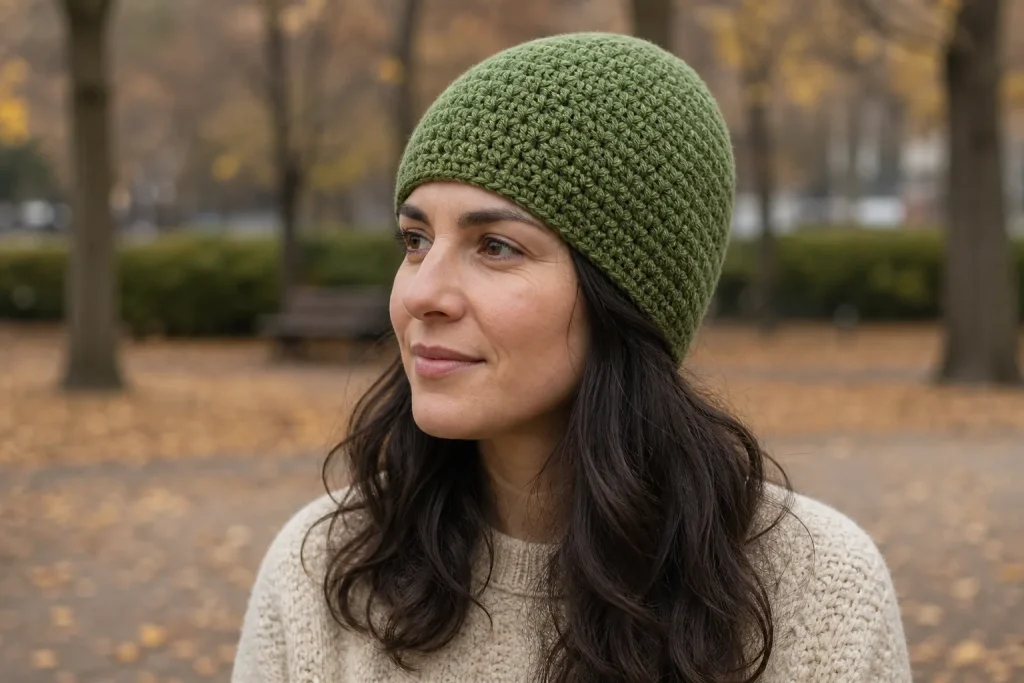
Choose by wearer, function, construction, fabric and fit risk
Browse 33 free crochet hat patterns, from everyday beanies to brimmed hats and character styles. Pick a shape from the illustrations below and open its full instructions. Check the selected pattern’s measurements and gauge; use the finder if you want help choosing a construction.
Browse beyond the finder: The fit-first tool compares 16 core designs. If you already know the shape, texture, or character you want, browse 14 more published hat patterns below. The three specialty patterns immediately above that section are also available outside the finder.
Browse all 33 free crochet hat patterns
Choose a hat shape, then open its complete pattern. The illustrations help you identify the project; check the linked pattern for its construction and sizing method.
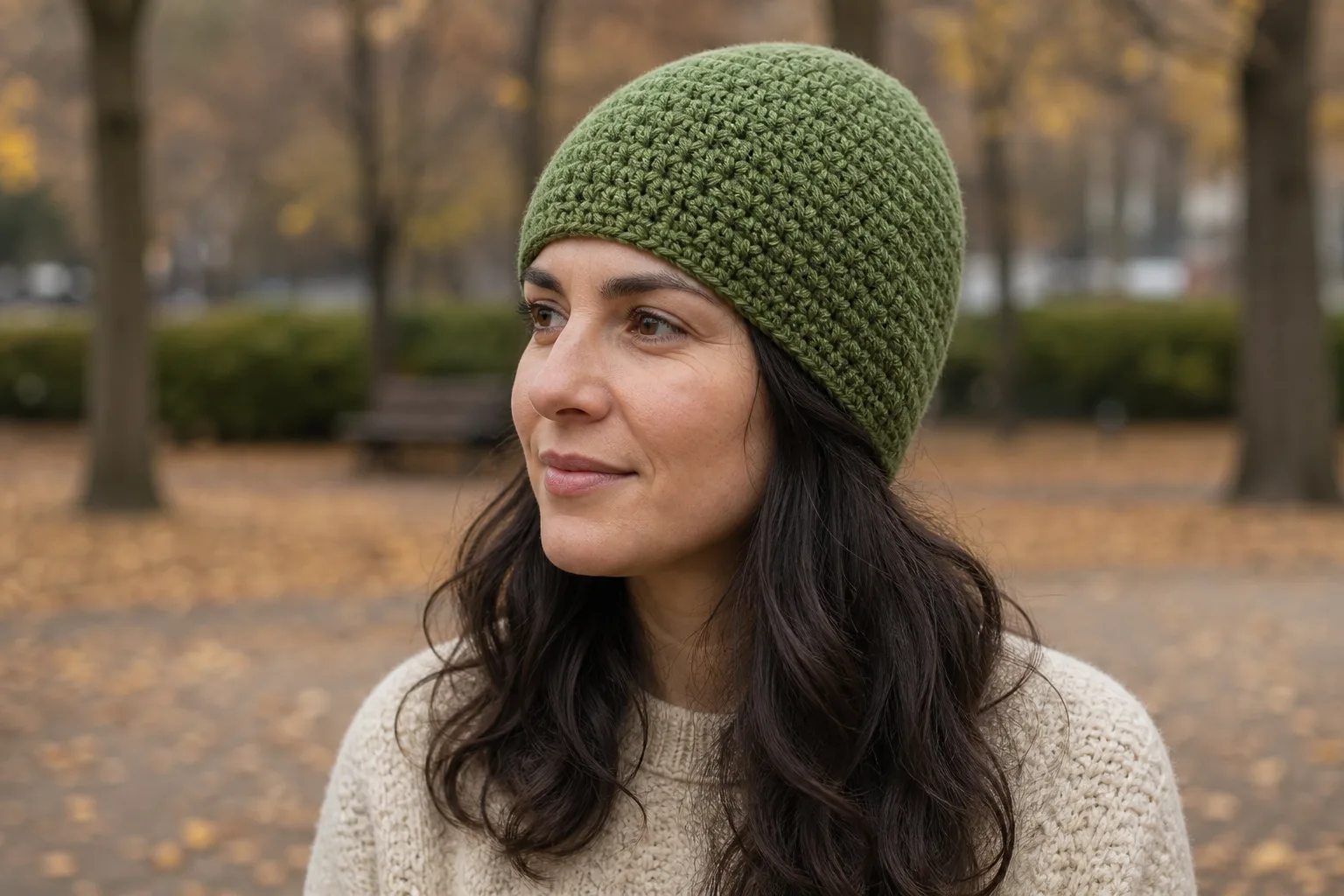
Basic Beanie
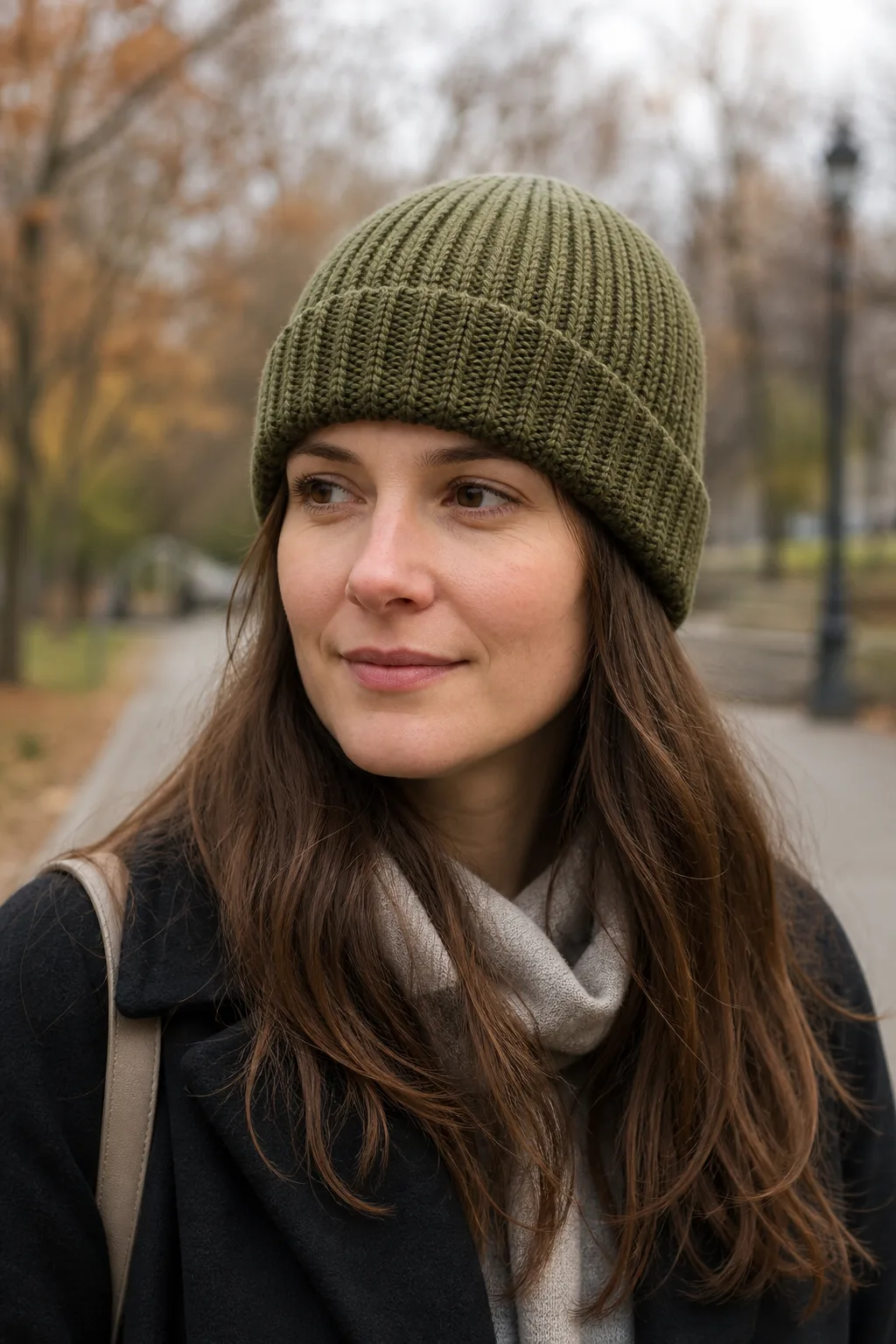
Ribbed Beanie
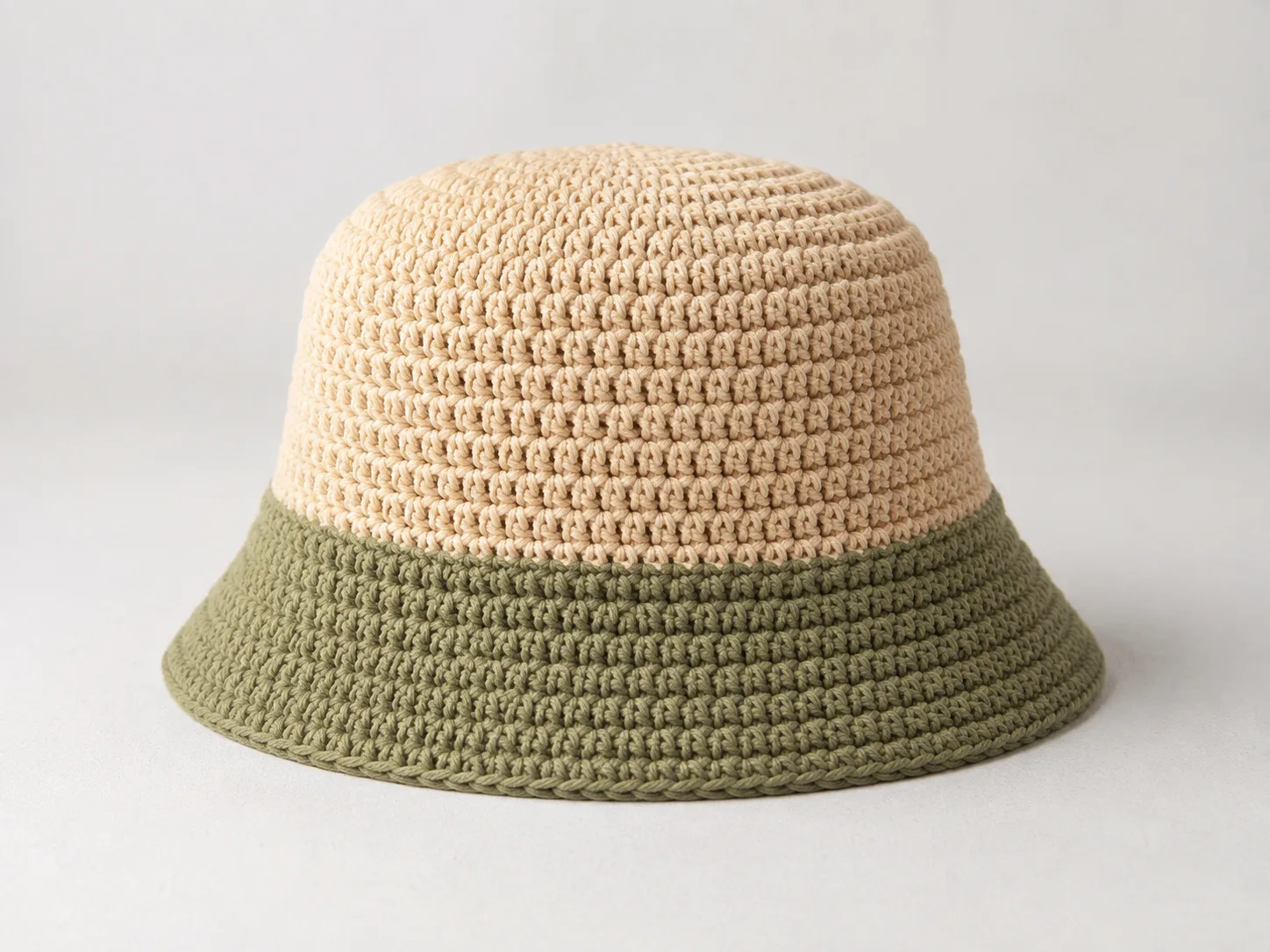
Bucket Hat
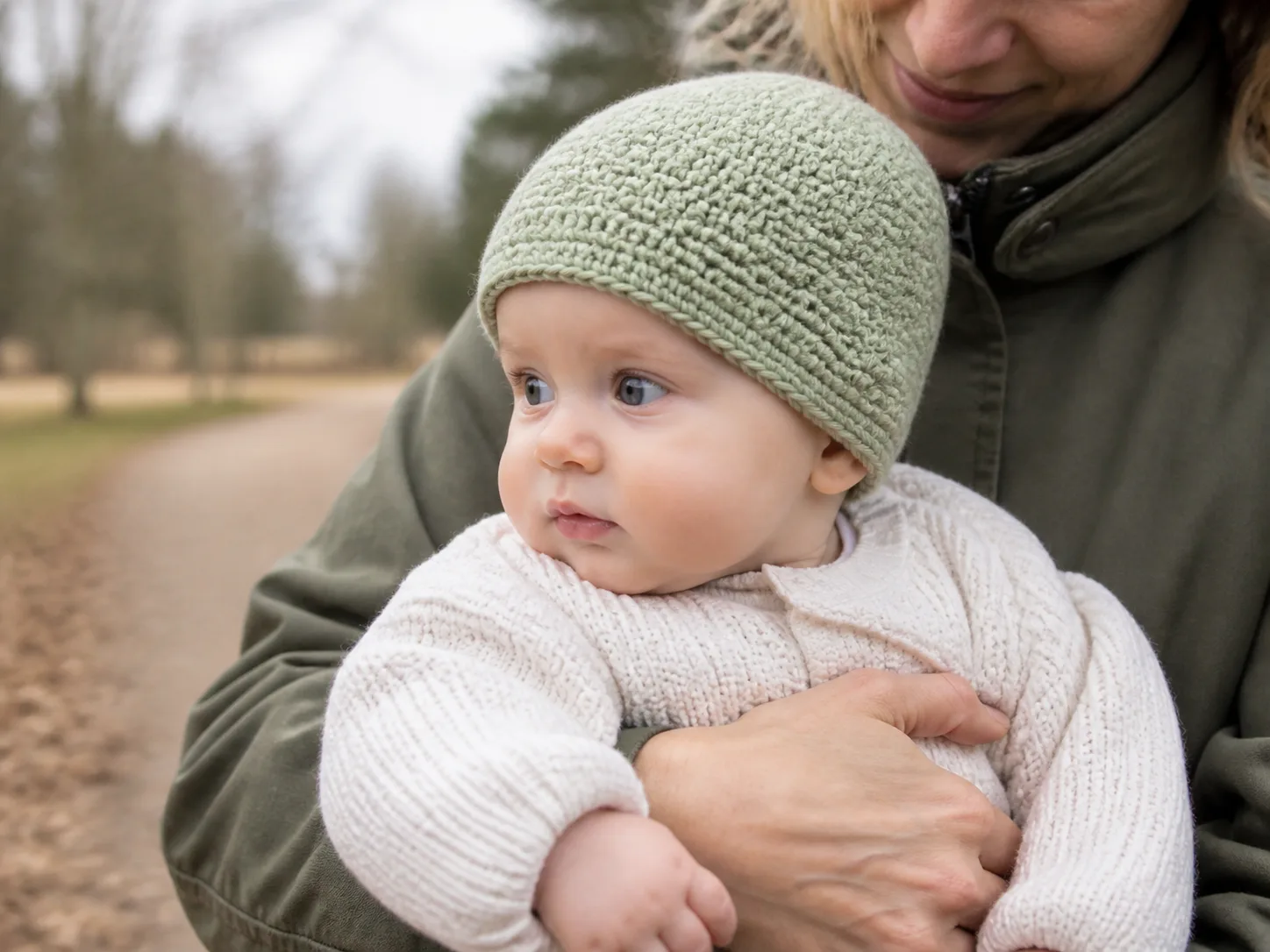
Baby Hat
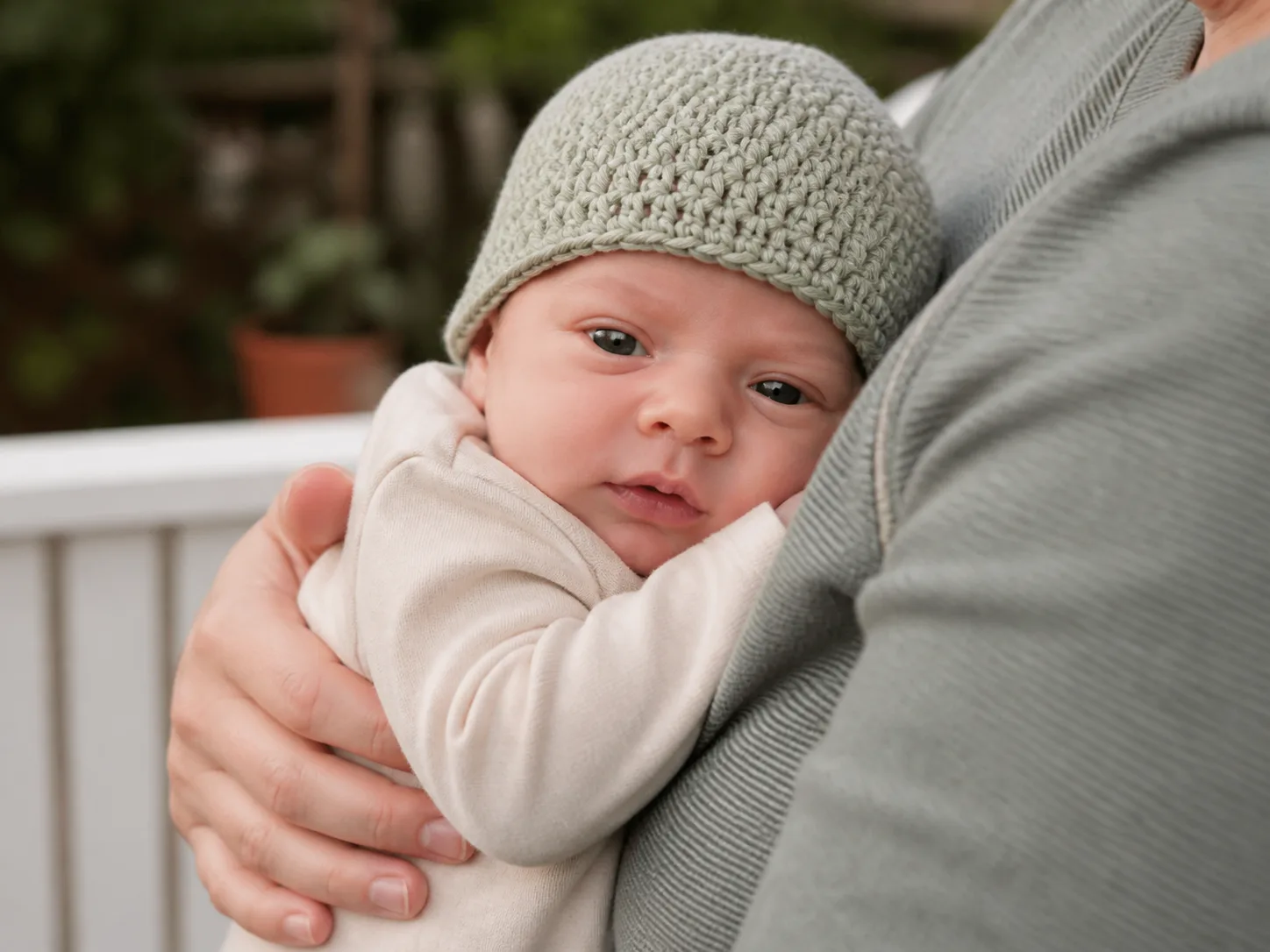
Newborn Hat
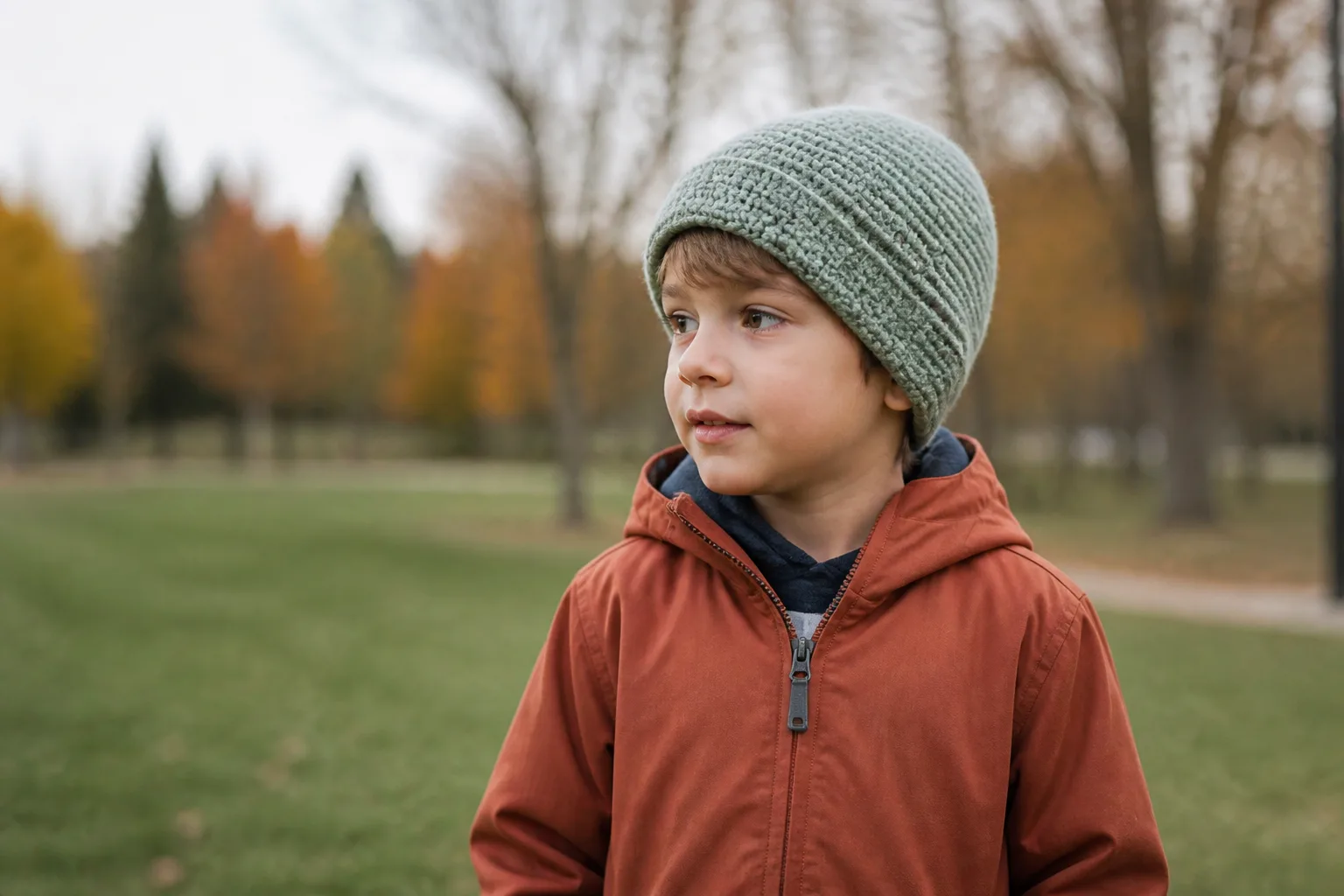
Toddler Hat
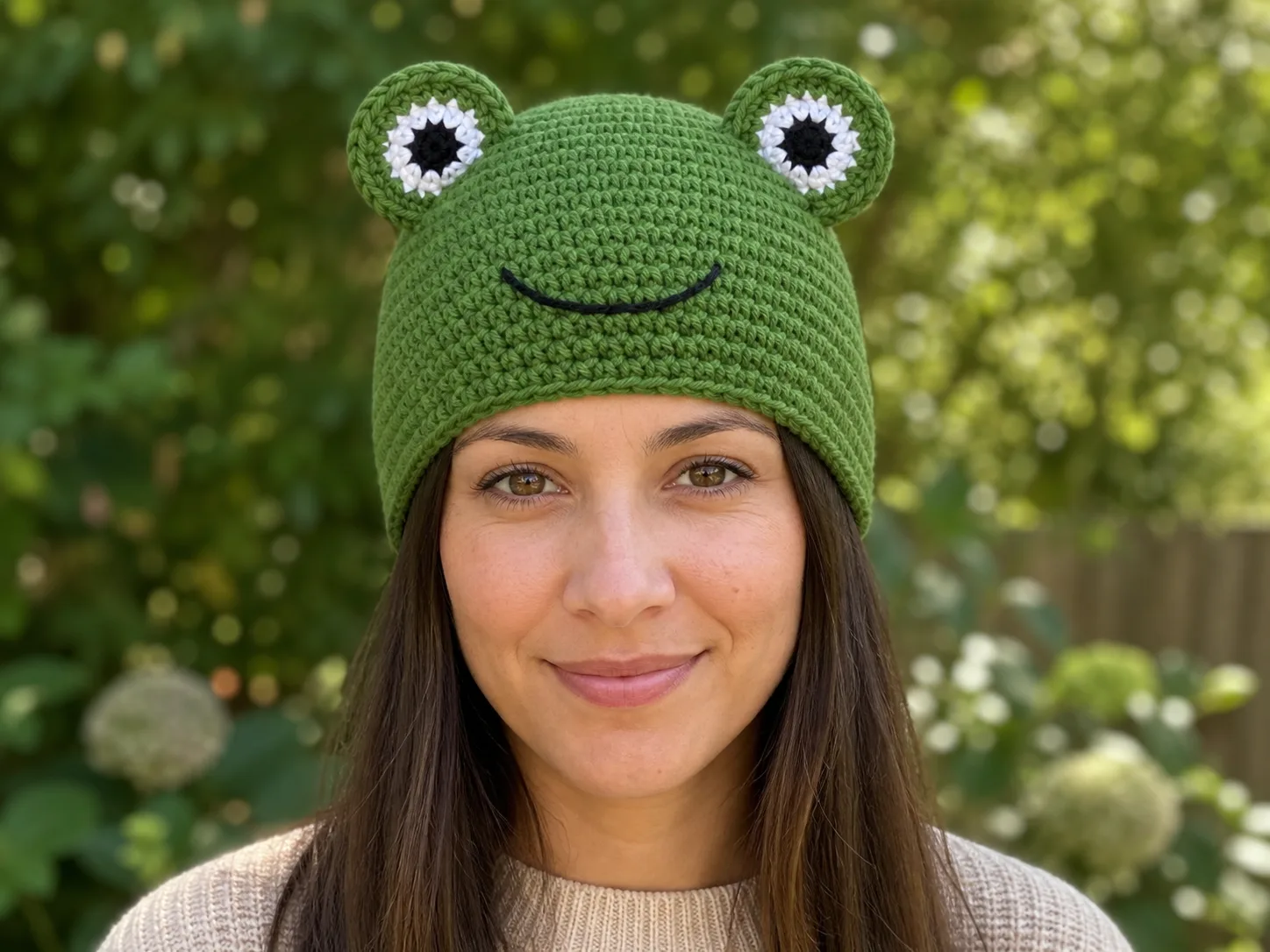
Frog Hat
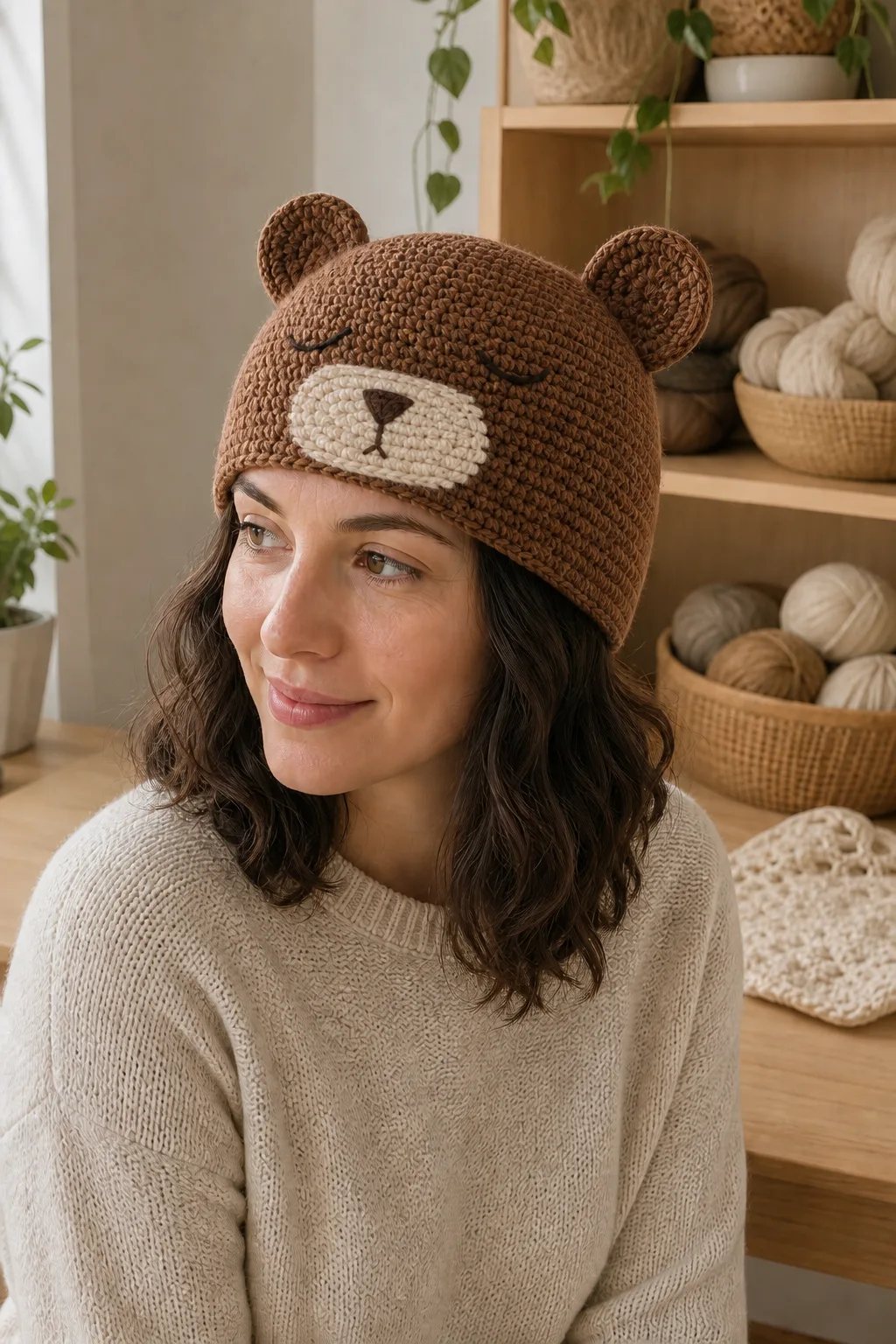
Bear Hat
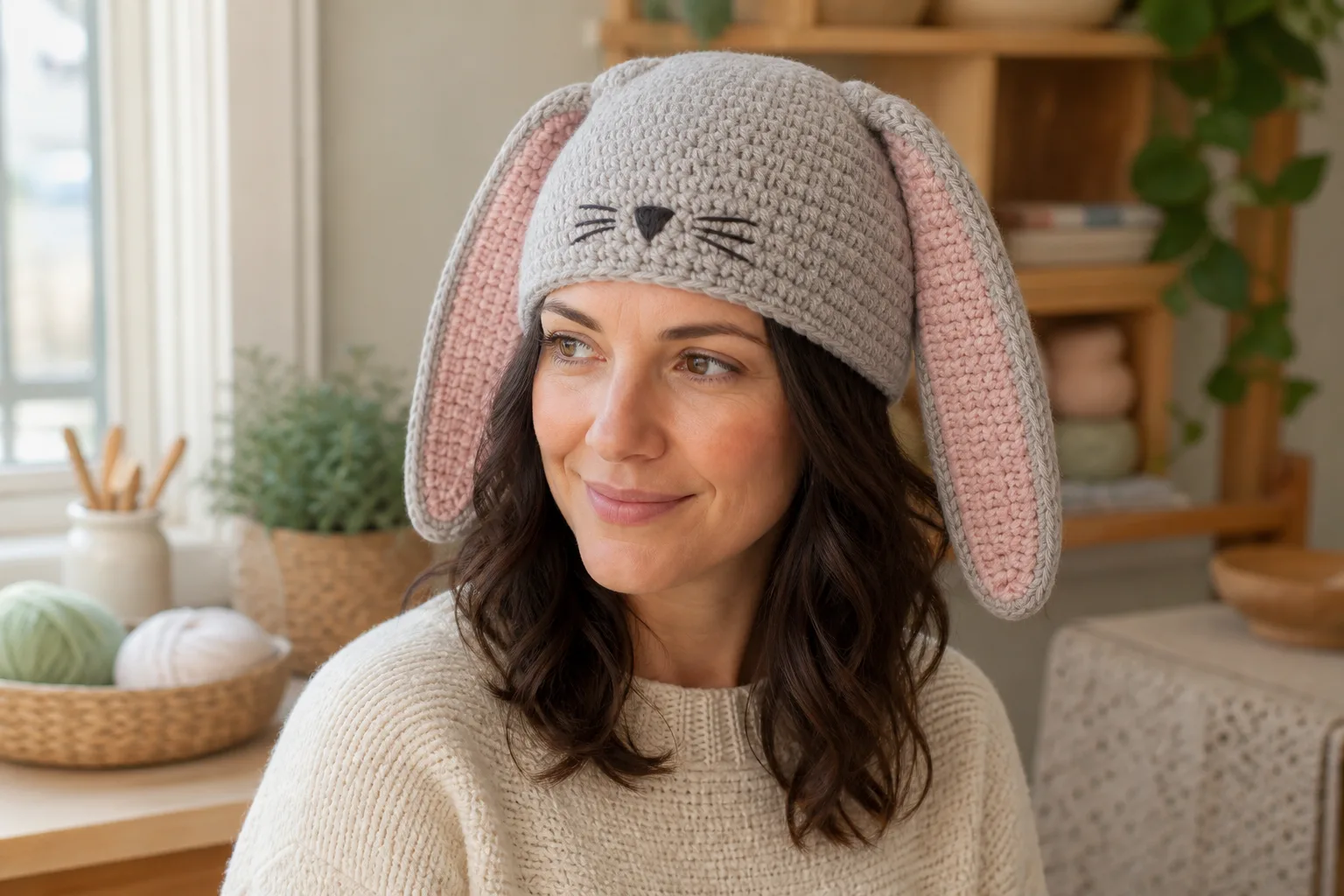
Bunny Hat
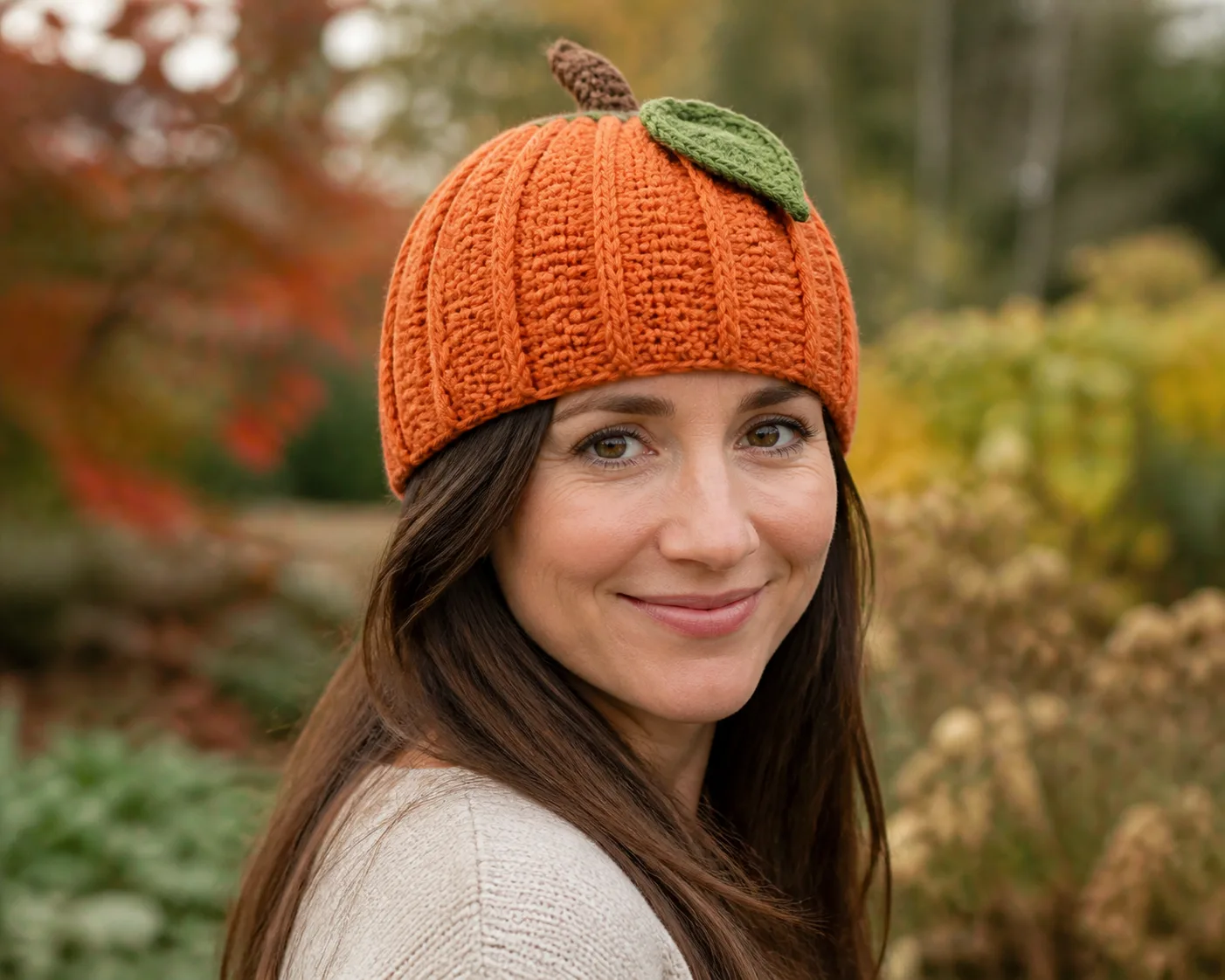
Pumpkin Hat
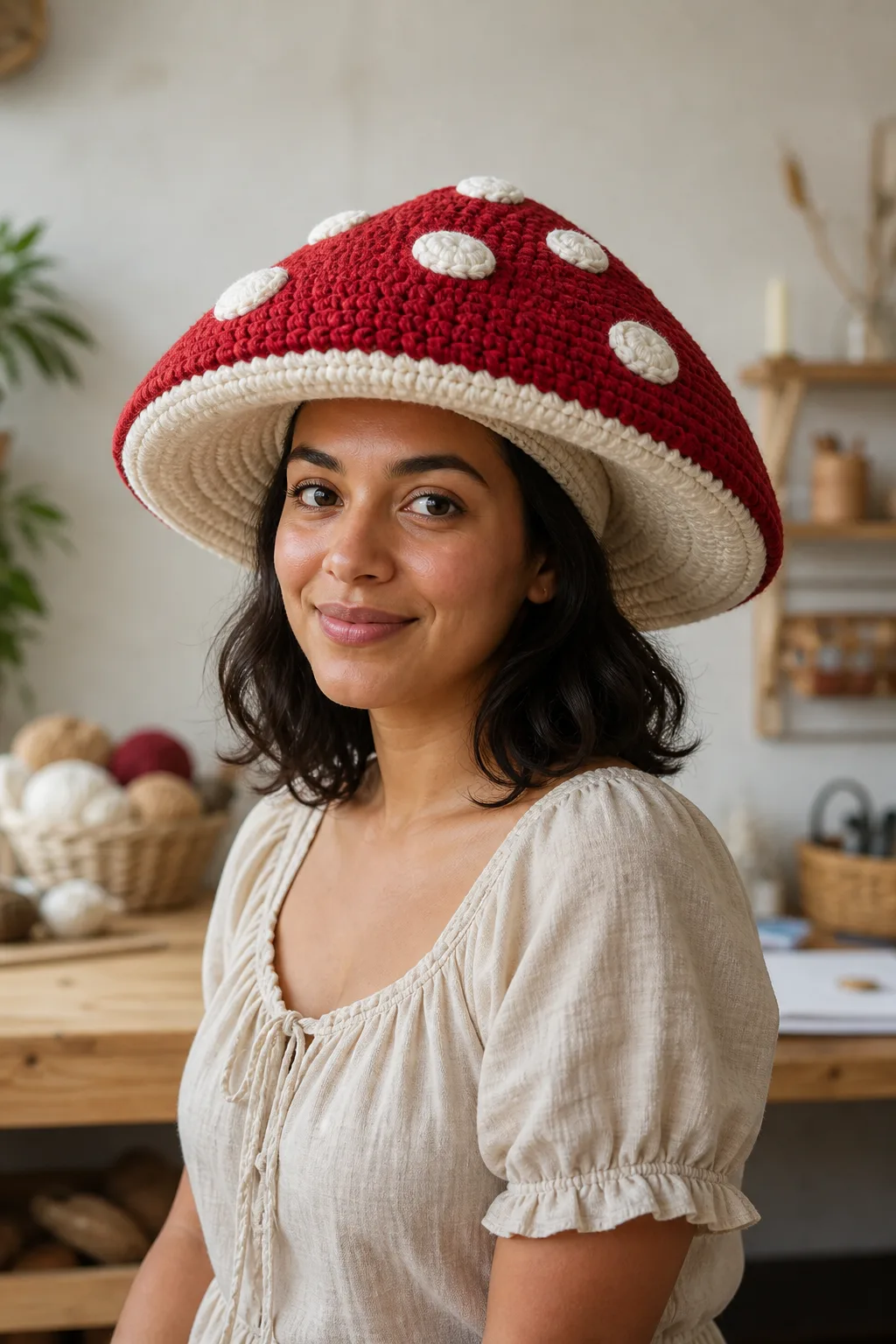
Mushroom Hat
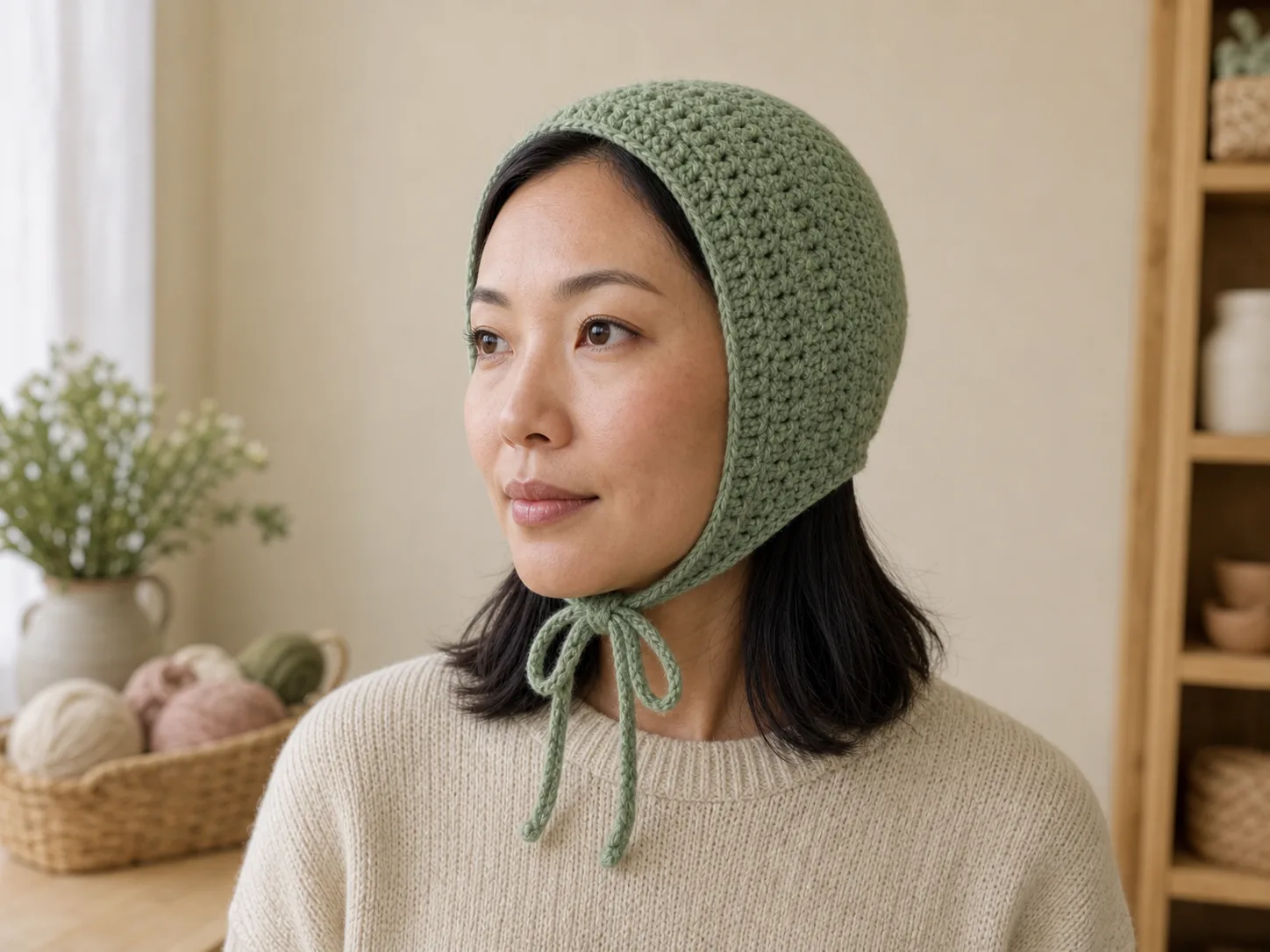
Adult Bonnet
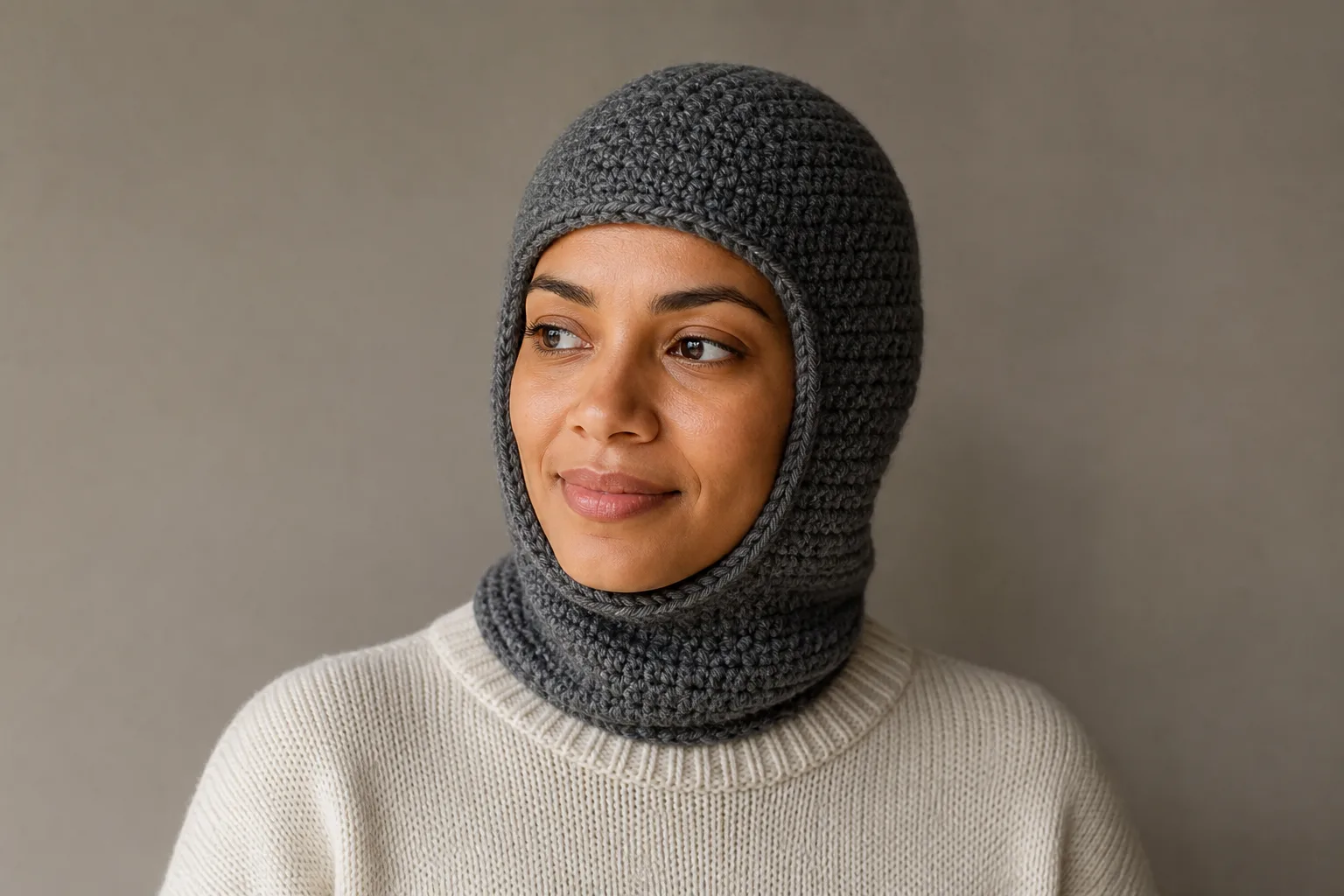
Balaclava

Santa Hat
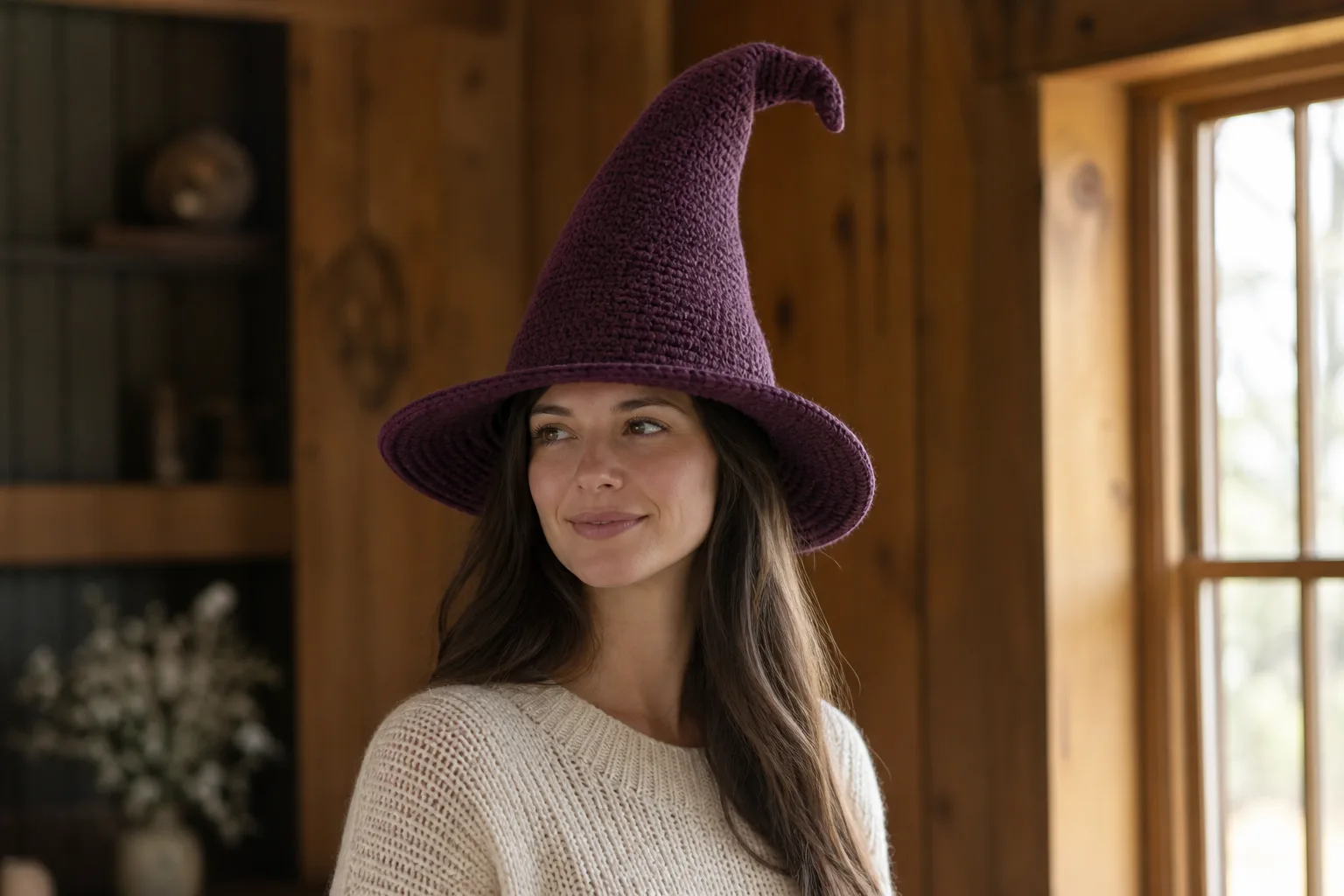
Witch Hat

Beret

Fisherman Beanie
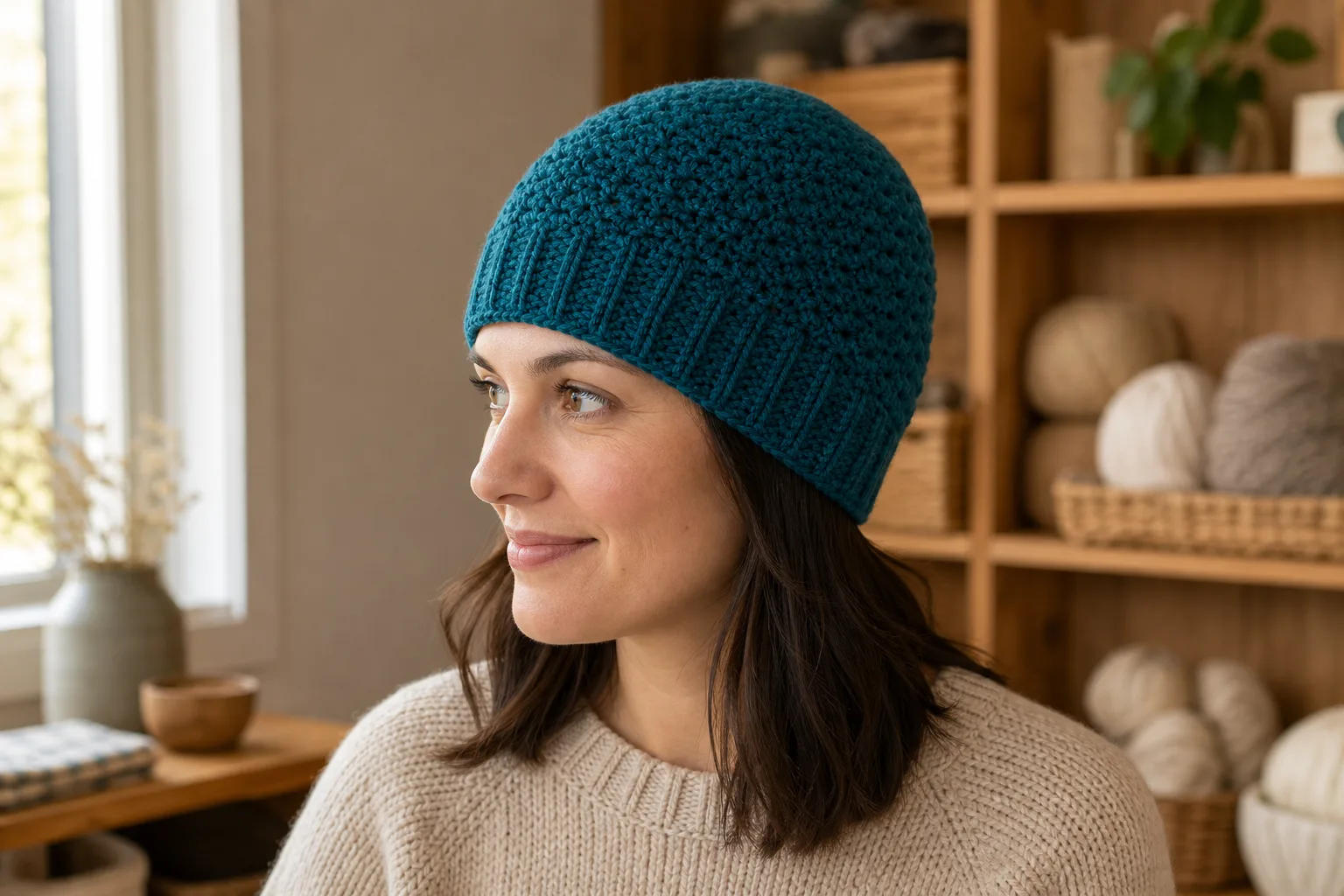
Moss Stitch Hat
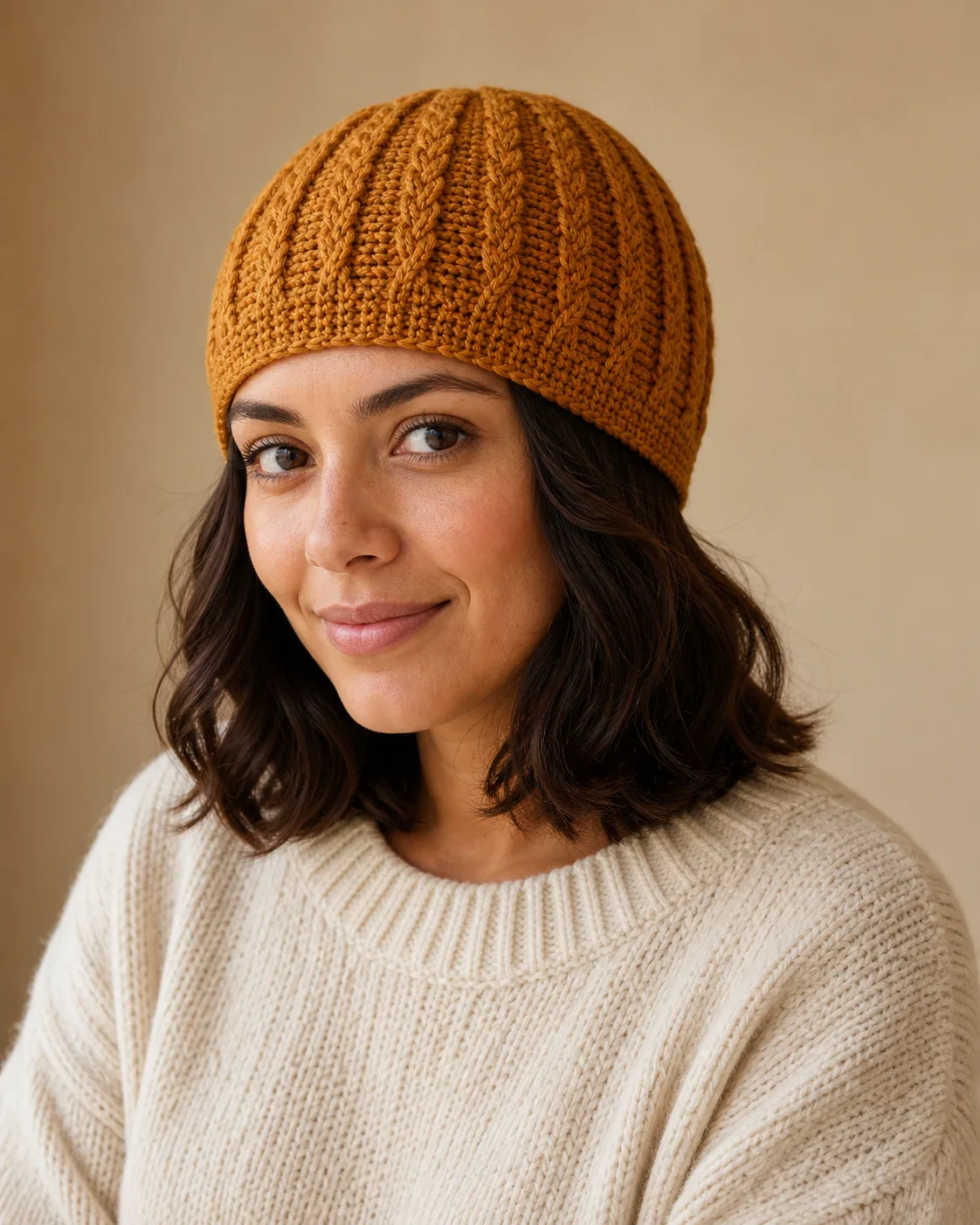
Cable Hat
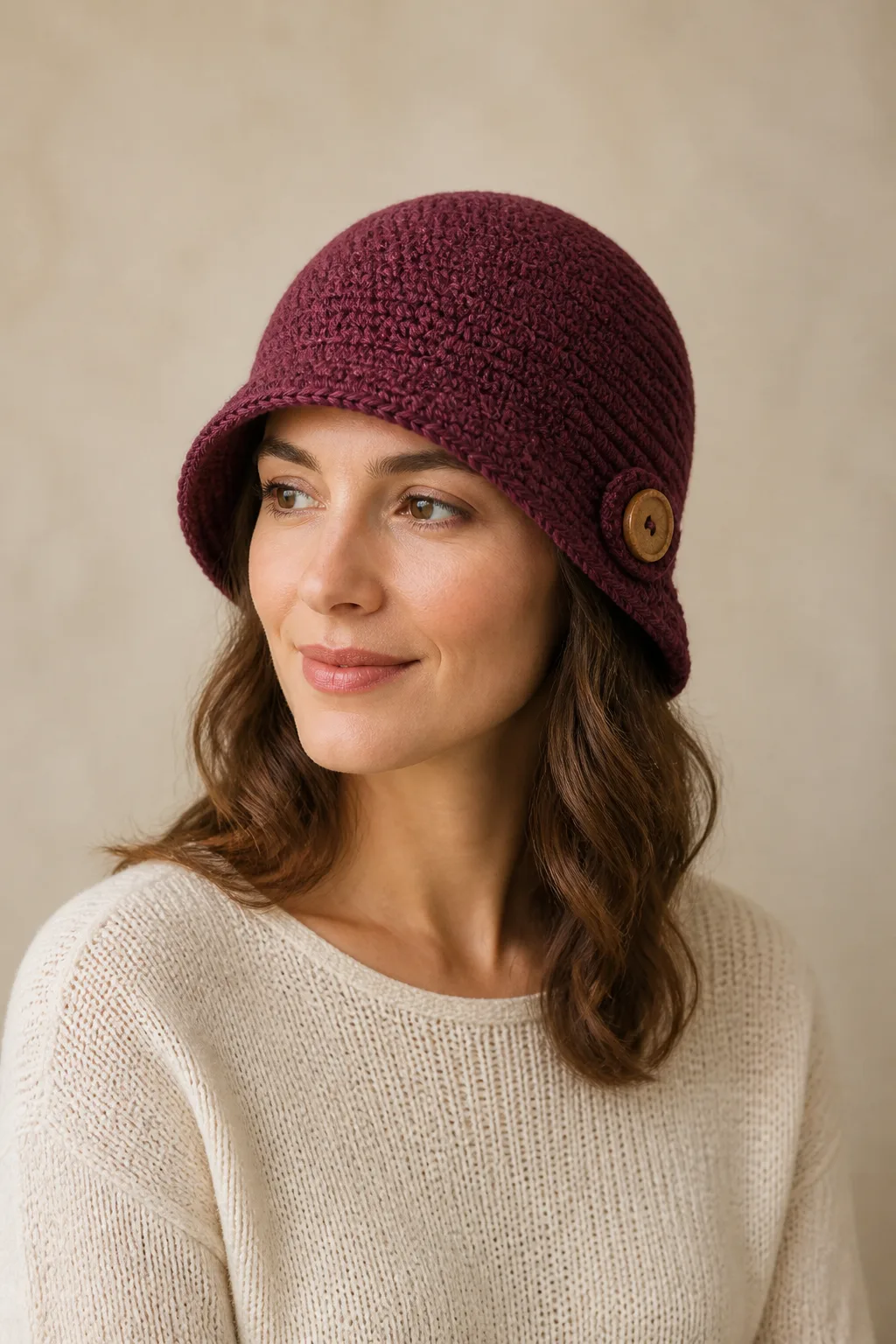
Cloche Hat
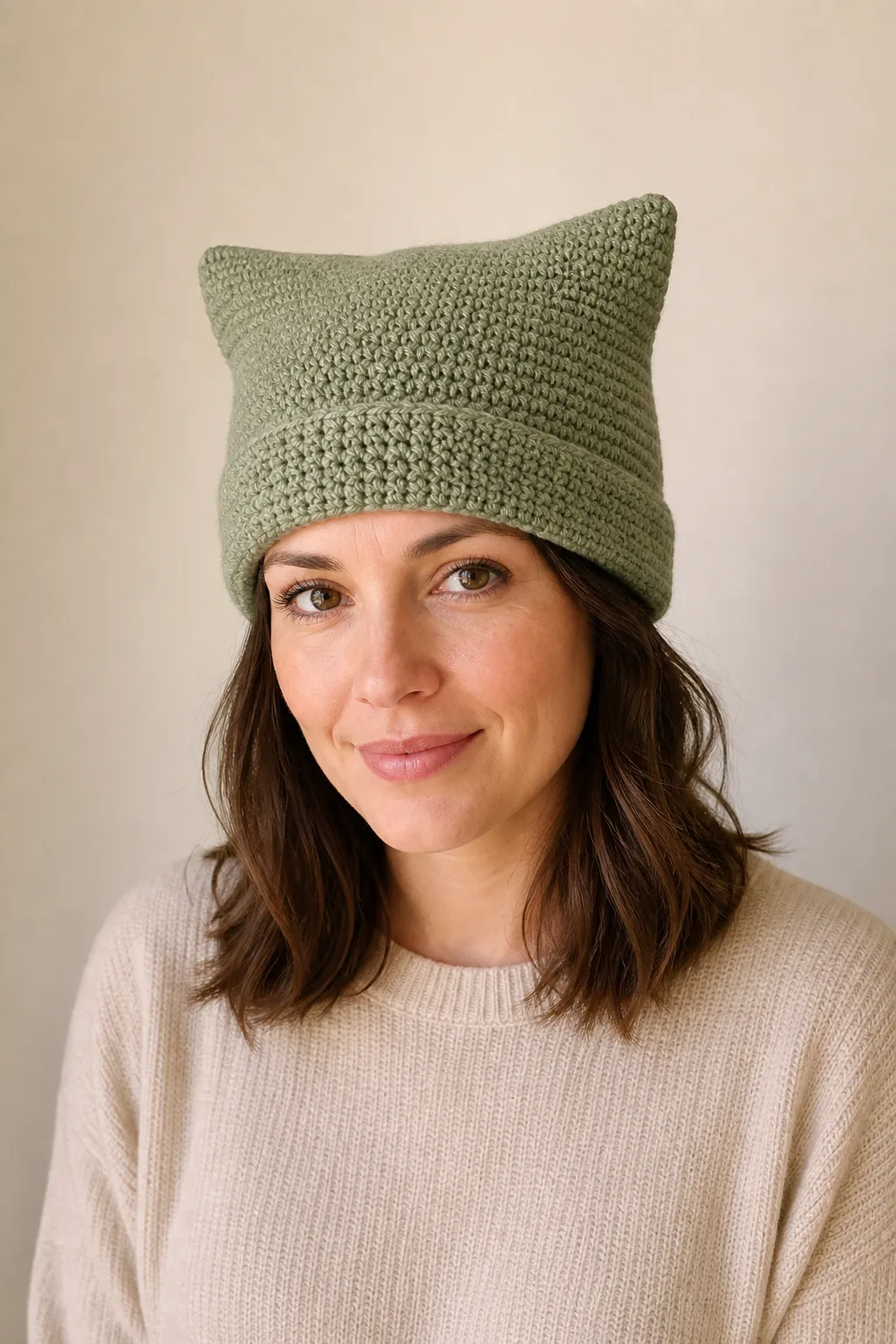
Cat Ear Beanie
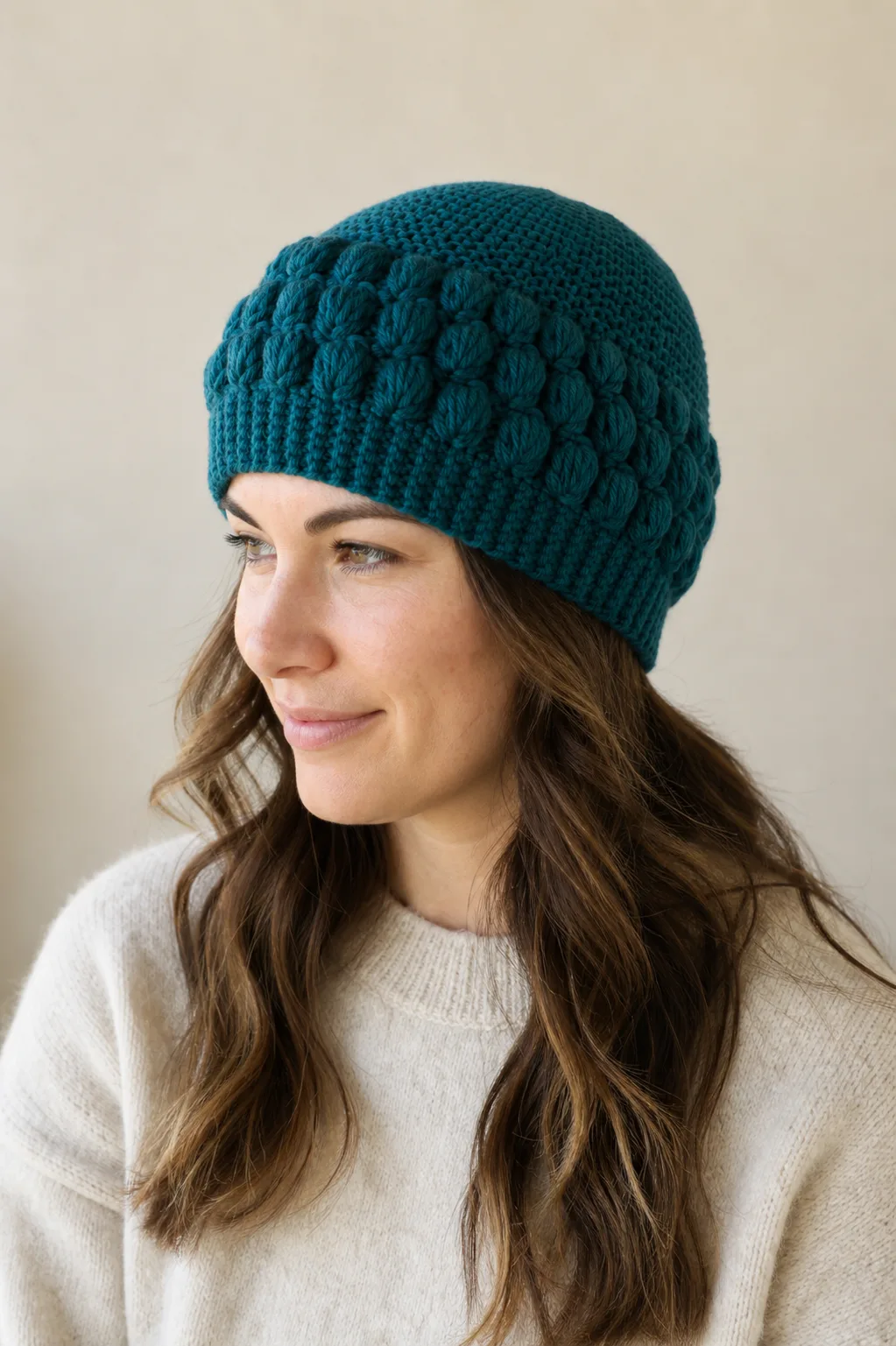
Puff Stitch Hat
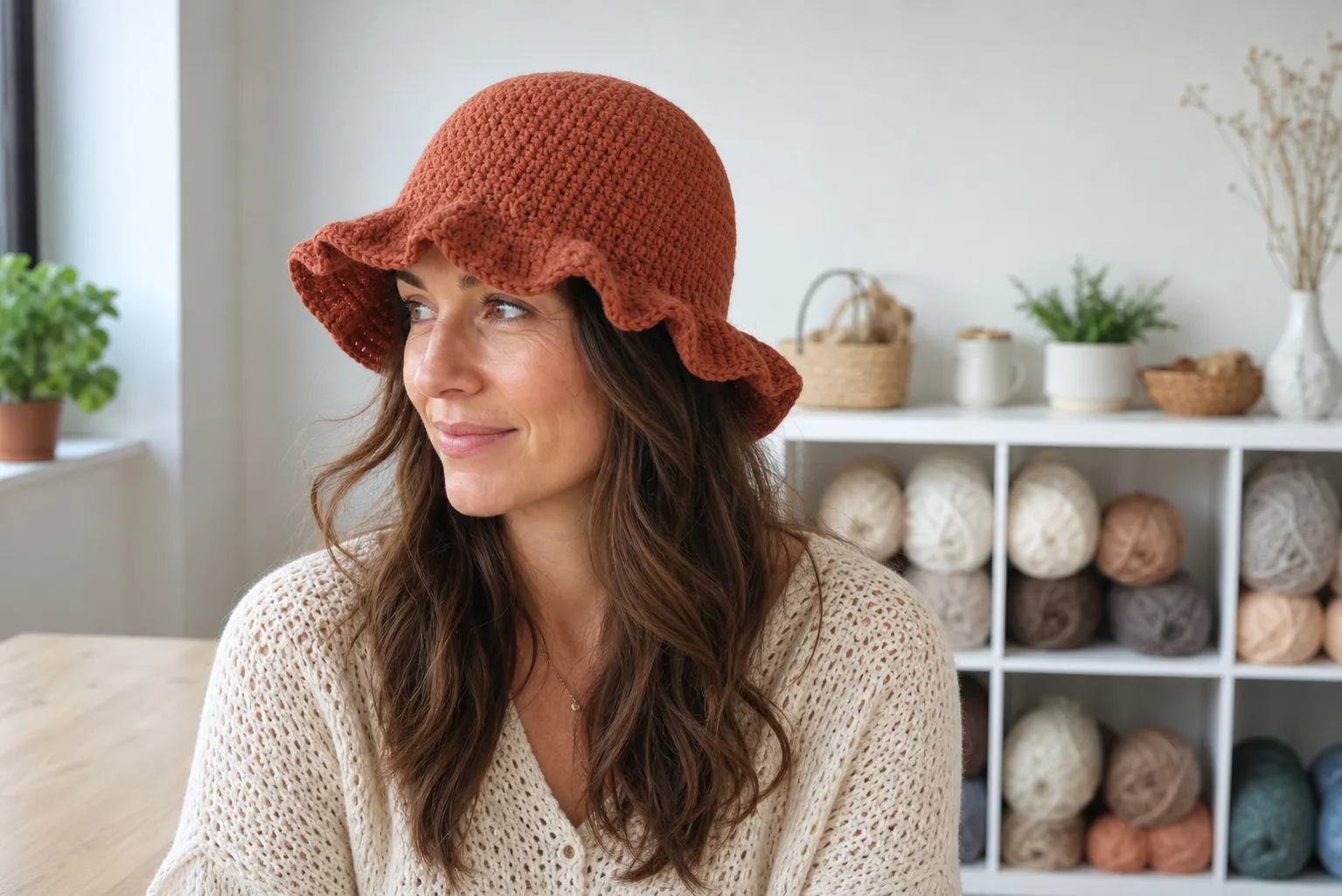
Ruffle Hat
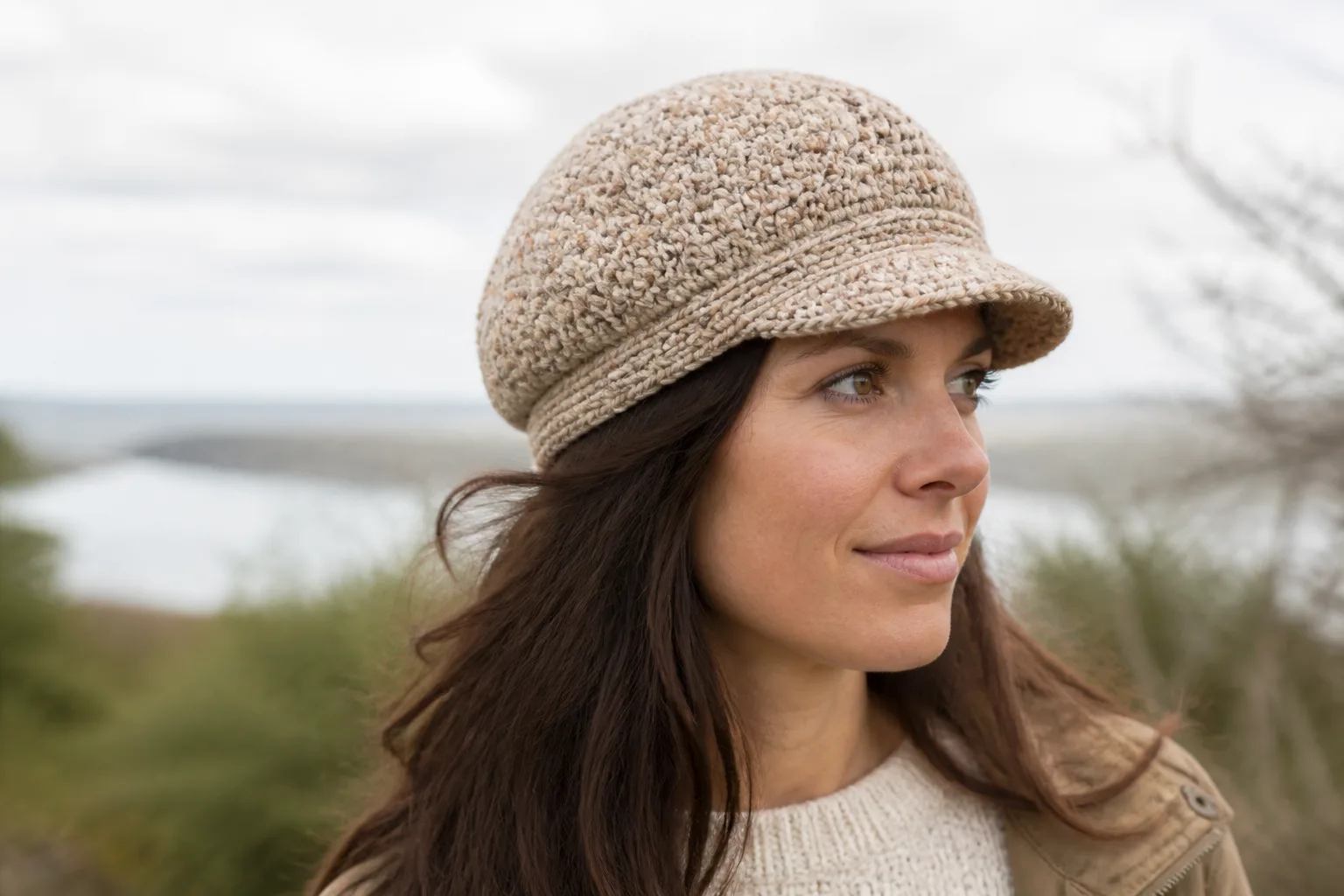
Newsboy Hat
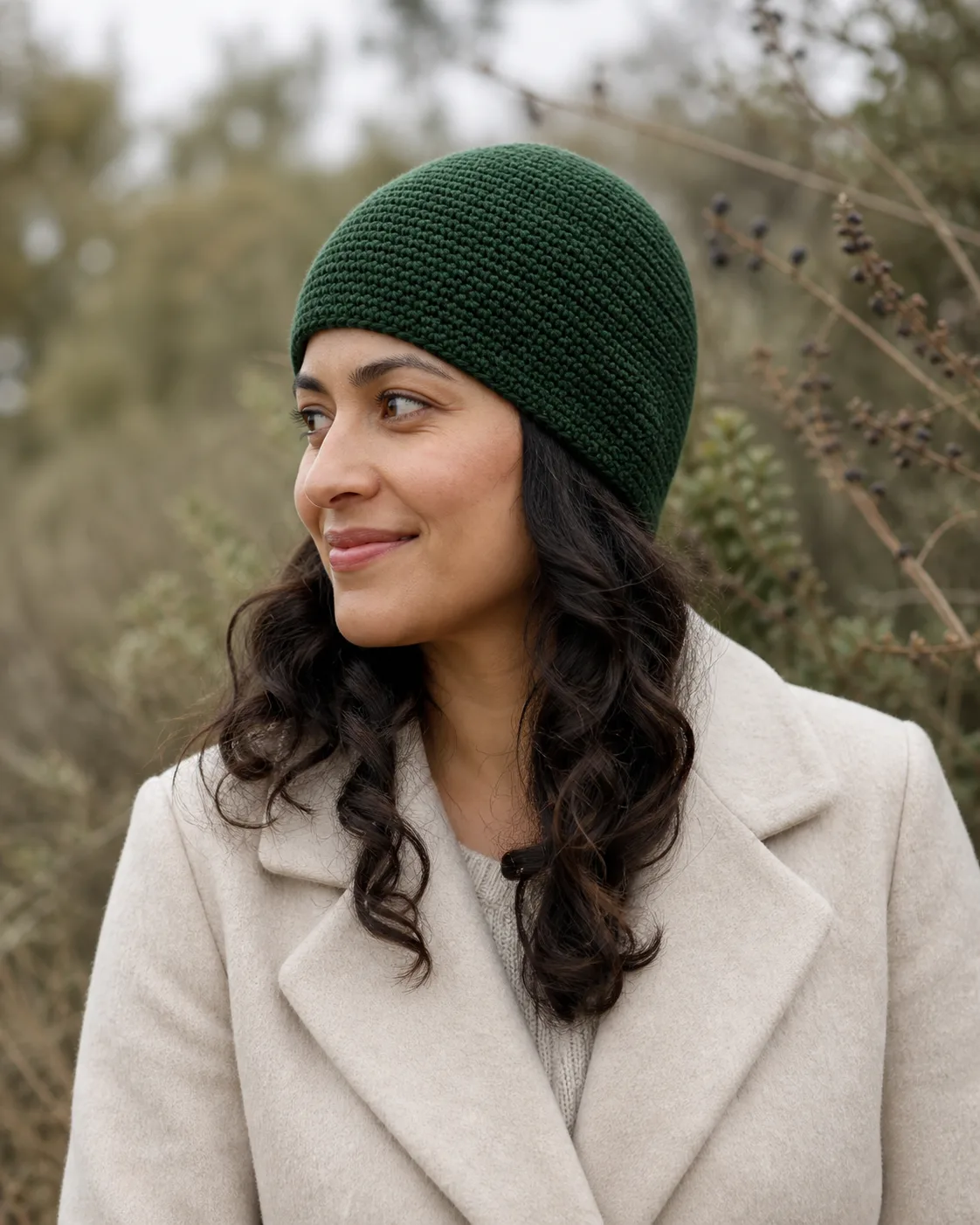
Single Crochet Beanie
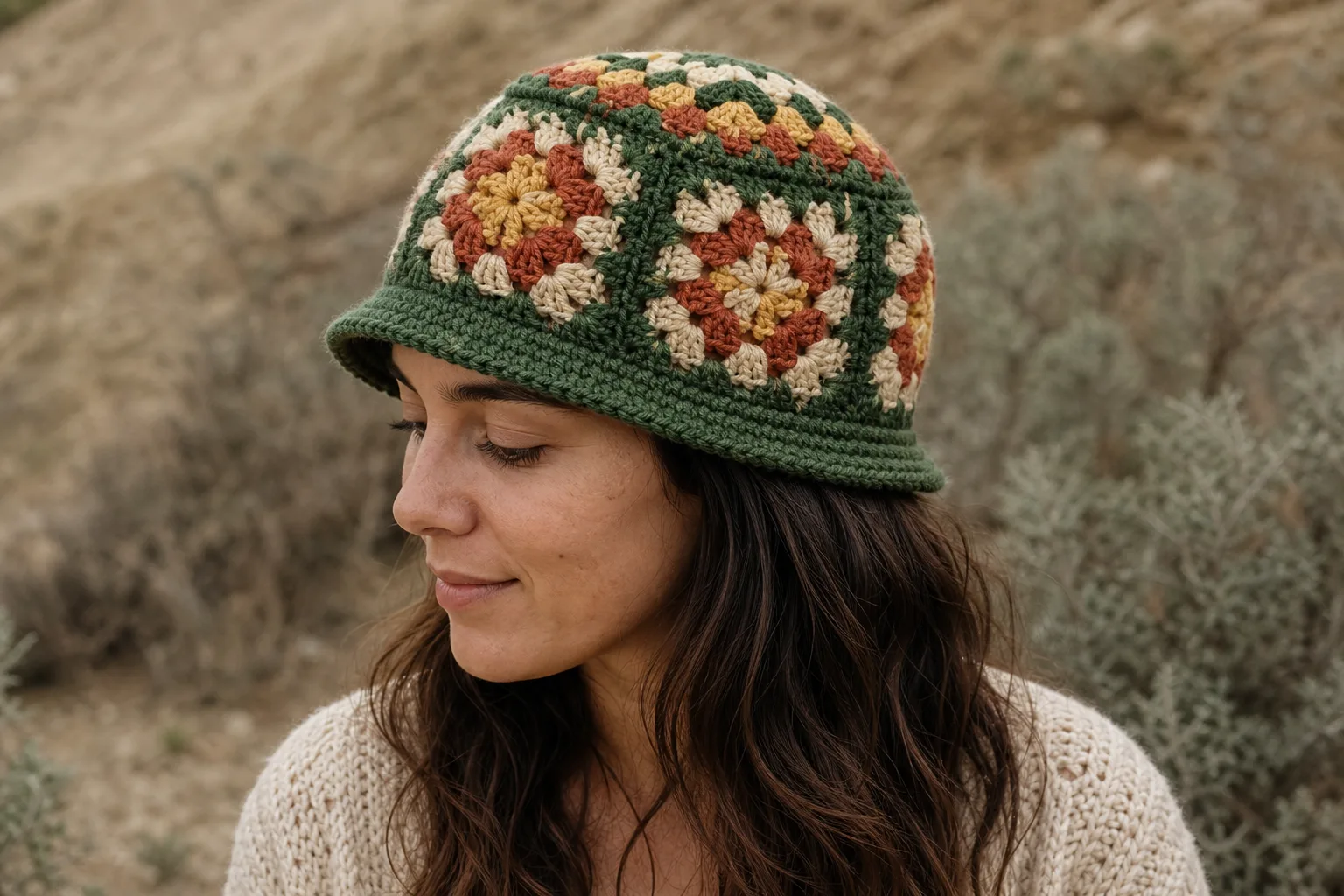
Granny Square Hat
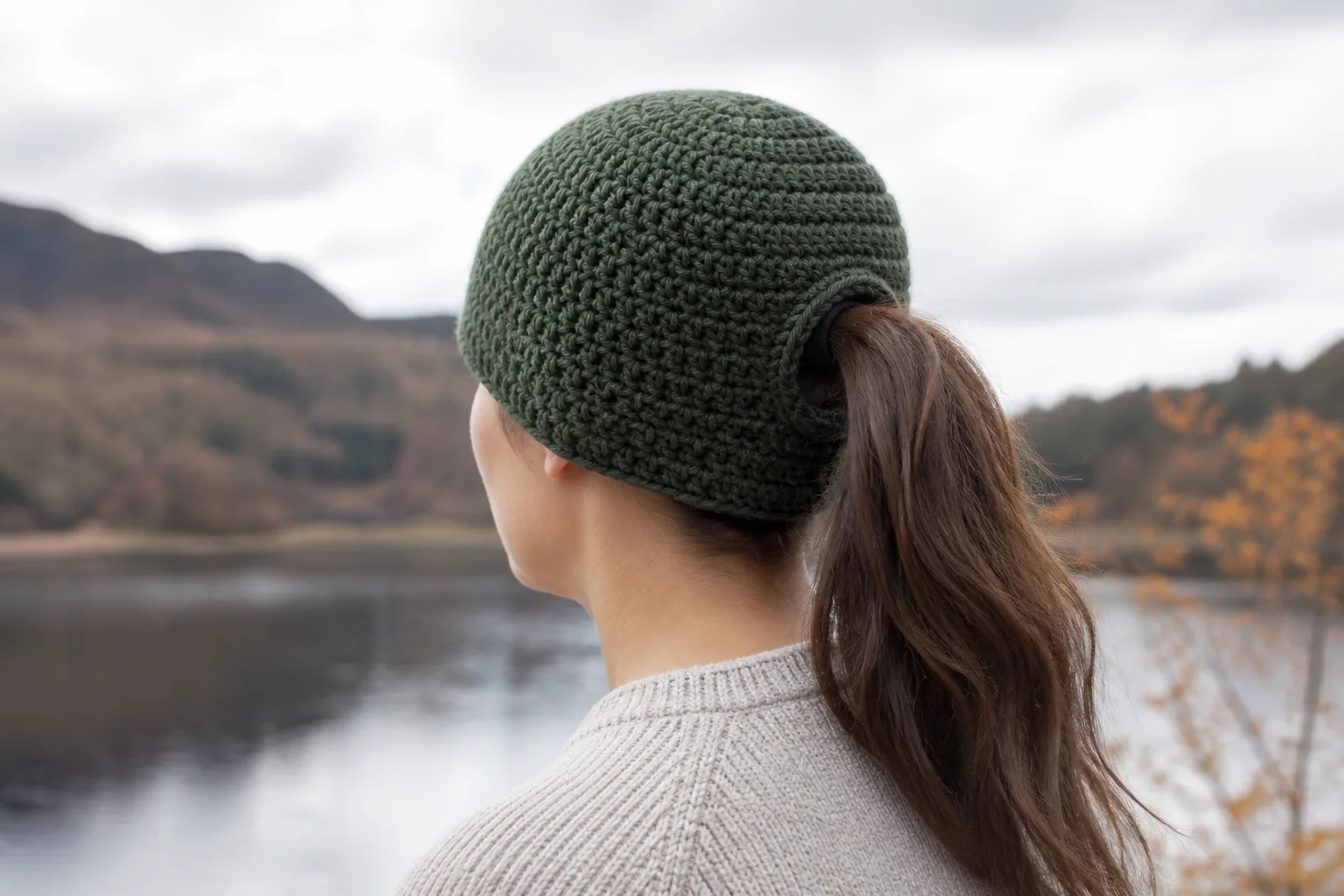
Ponytail Hat
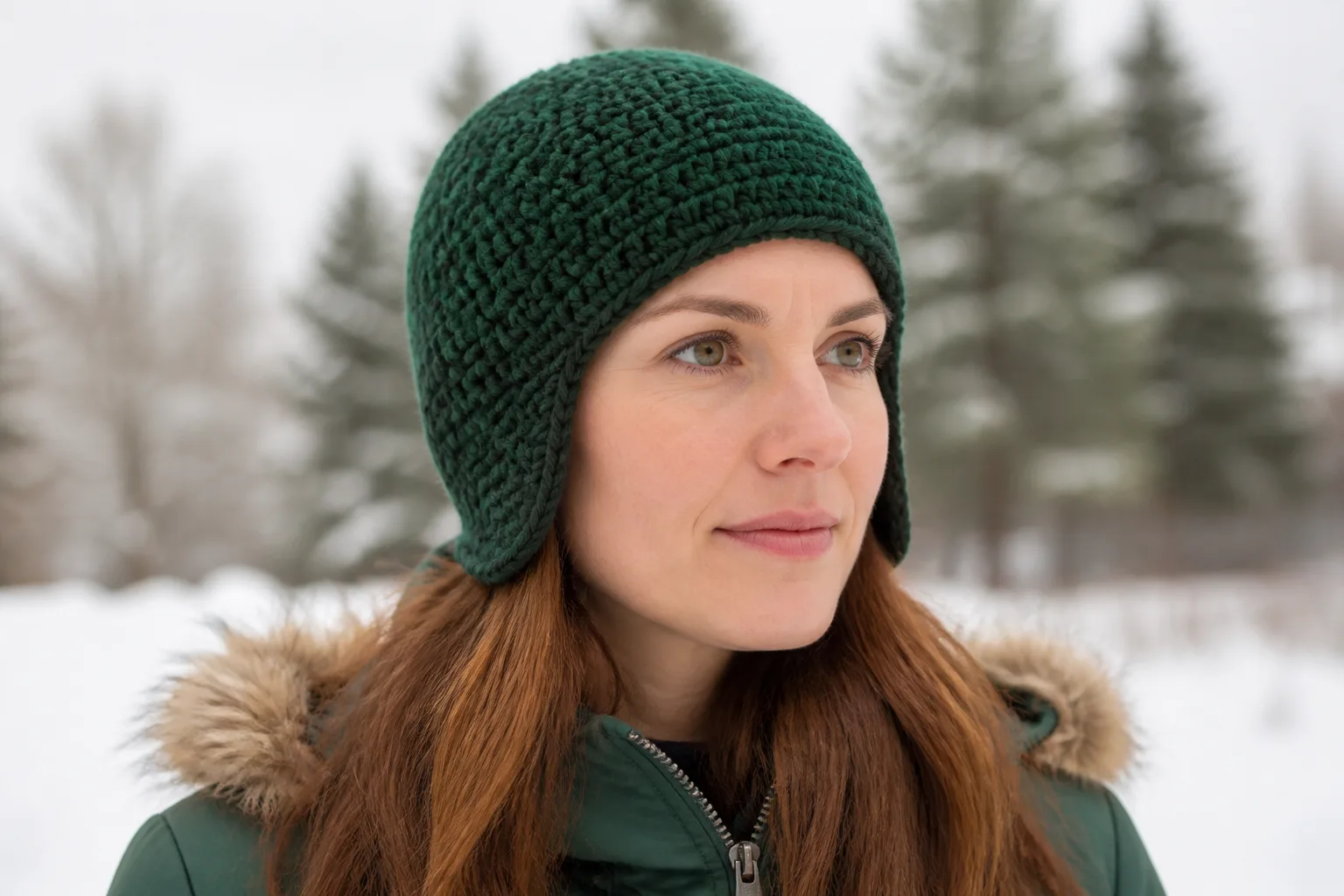
Earflap Hat
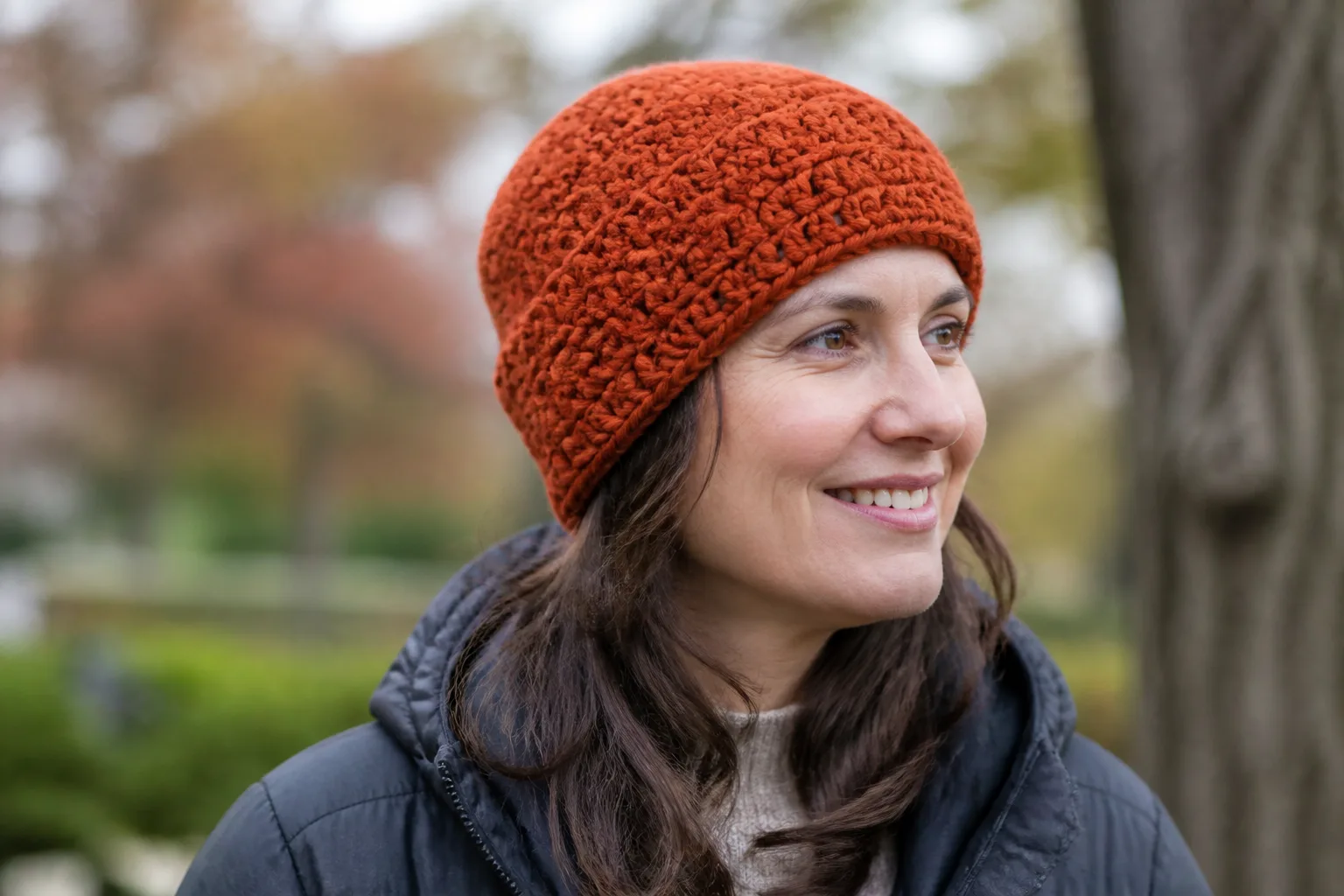
Chunky Beanie

Winter Hat
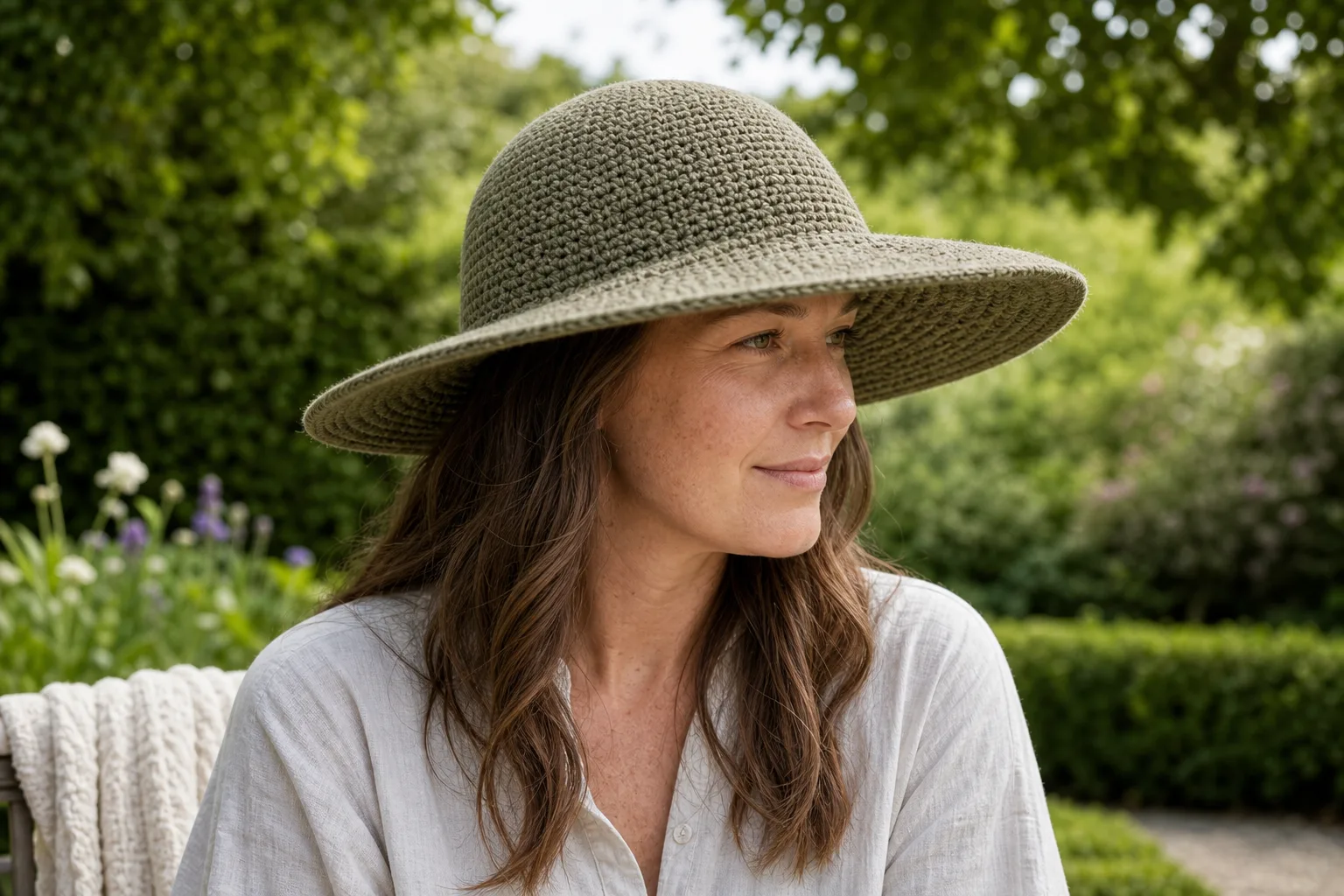
Sun Hat
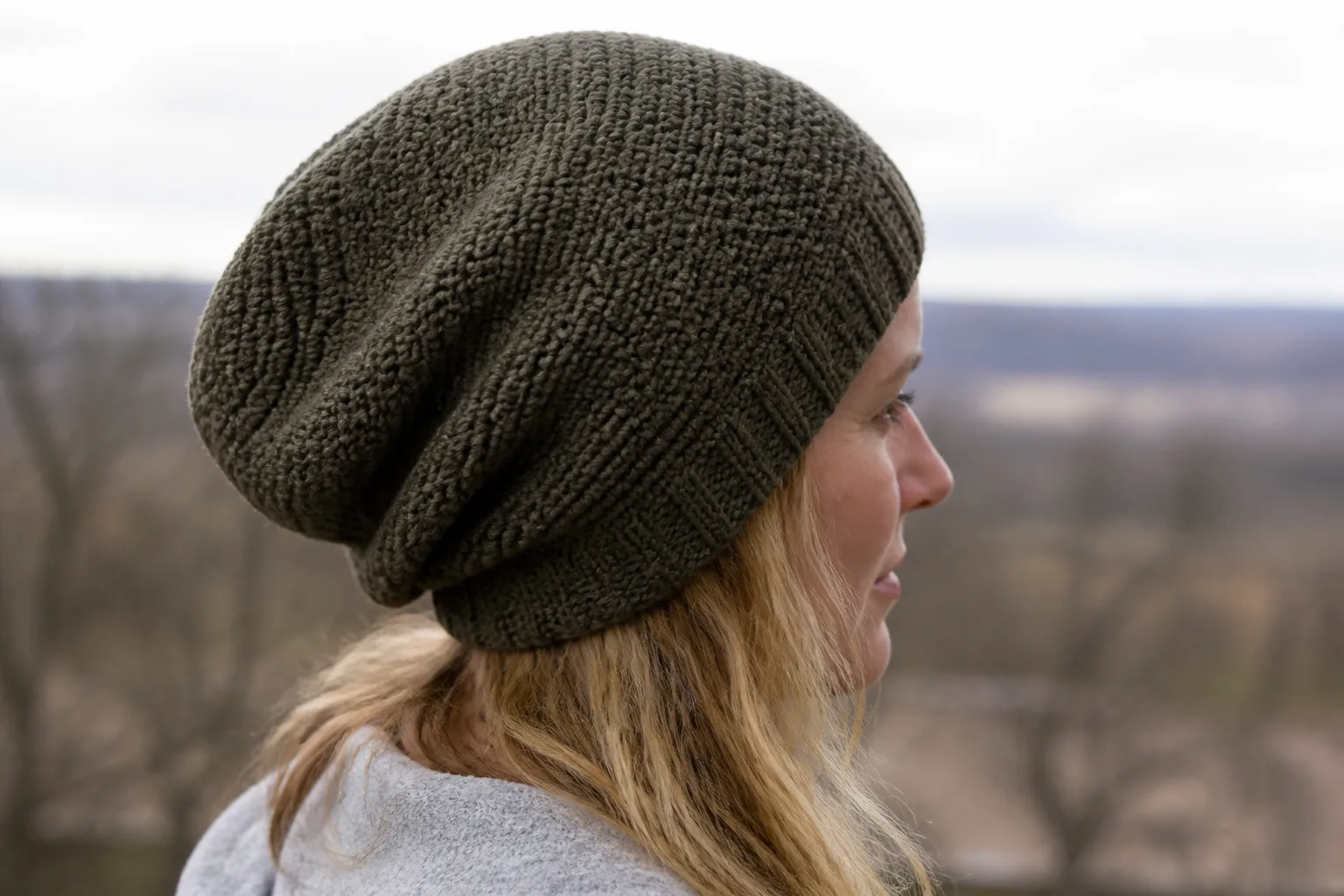
Slouchy Beanie
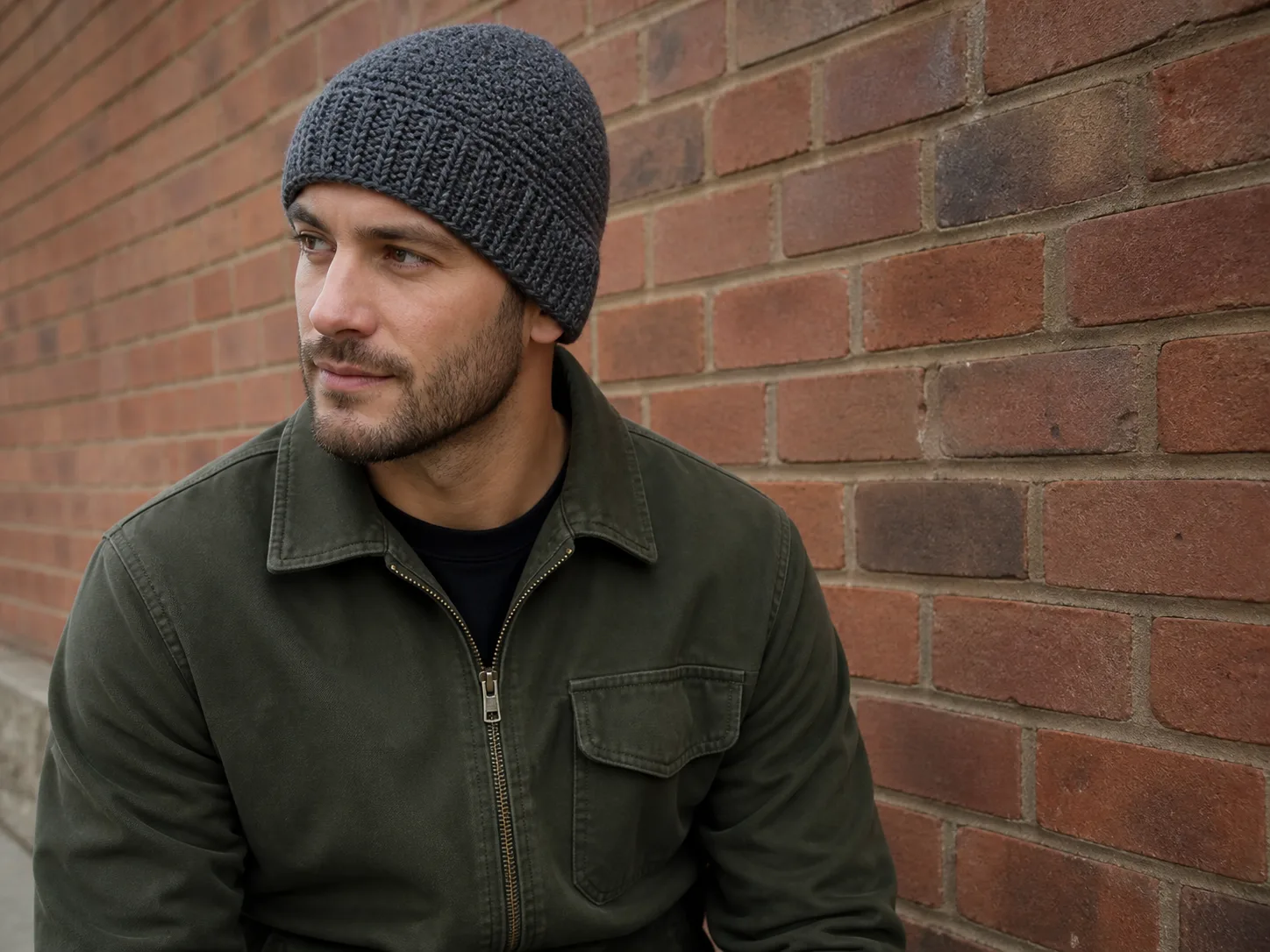
Men’s Beanie
Fit-First Crochet Hat Pattern Finder
Open the tool in a separate page. The article also retains the manual formulas and worked checks.
JavaScript is optional: use the manual calculation method and worked examples in the article.
Use the Fit-First Crochet Hat Pattern Finder
The web version of this article includes the Fit-First Crochet Hat Pattern Finder. It opens with usable defaults and immediately displays up to three ranked compatible choices. Change the intended wearer, primary need, construction preference, fabric priority and skill comfort; the recommendations update automatically.
Each result gives you four pieces of information:
- why the pattern matches the selected job;
- the main fit or construction risk to check;
- the first measurement or swatch action to take;
- the exact full-pattern page to open.
The finder does not claim that one design is universally best. It narrows sixteen genuinely different routes. The final gate is still the wearer’s measurement and the behavior of the washed swatch.
Complete the Fit Preflight
Do this before comparing photographs. It prevents the most expensive kind of mistake: choosing a beautiful construction that cannot comfortably perform the required job.
- Identify the actual wearer: newborn, baby, growing child or adult.
- Measure the head at the intended wear line. Do not select a size from age alone.
- Define the job: everyday comfort, maximum warmth, sun coverage, ear coverage, hair opening, slouch or a structured visor.
- Make and wash a swatch in the planned stitch. Record stitch gauge, row gauge, stretch and recovery.
- Decide which feature cannot be compromised: secure opening, breathable brim, dense warmth, ponytail clearance, low bulk or a specific silhouette.
Head-size charts and yarn categories are starting points, not substitutes for those checks. The Craft Yarn Council’s standards provide useful measurement and yarn-weight conventions, while its guidance also makes clear that yarns in one weight category are not automatically interchangeable. The project gauge must still be matched.
| Decision | Choose from evidence, not assumption | Warning sign |
|---|---|---|
| Size | Actual head circumference and intended wear line | Selecting only by age or an “adult” label |
| Ease | Washed fabric recovery and comfort preference | Copying one negative-ease percentage into every stitch |
| Depth | Crown center to the desired lower edge on the wearer | Counting rows from a different gauge |
| Warmth | Fabric density, coverage, wind exposure and fiber | Treating yarn weight as a complete warmth rating |
| Brim | Required shade or shape plus fabric structure | Adding more increases whenever a brim droops |
Close-Fitting Adult and Everyday Hats
These six designs solve related but different problems. Do not choose between them only by surface texture. First decide whether you want rounds, rows, maximum density, fast thick-yarn construction, a specific wear line or extended cold-weather coverage.
Basic Gauge-Adaptive Beanie
Choose this route when you want to see the entire relationship between crown diameter, circumference and depth. It is also the cleanest baseline for learning why a crown can reach the right stitch count and still need a shape correction. Start with the Easy Crochet Beanie Pattern for Beginners, then use the size tool if the intended head or gauge falls outside the example.
Ribbed Rectangle Beanie
This is often easier than top-down rounds for a crocheter who can maintain row length but struggles to count circular increases. The number of rows controls the opening; the row length controls hat depth. The Crochet Ribbed Beanie Pattern explains how to calculate both and how to check the crown before committing to a bulky gather.
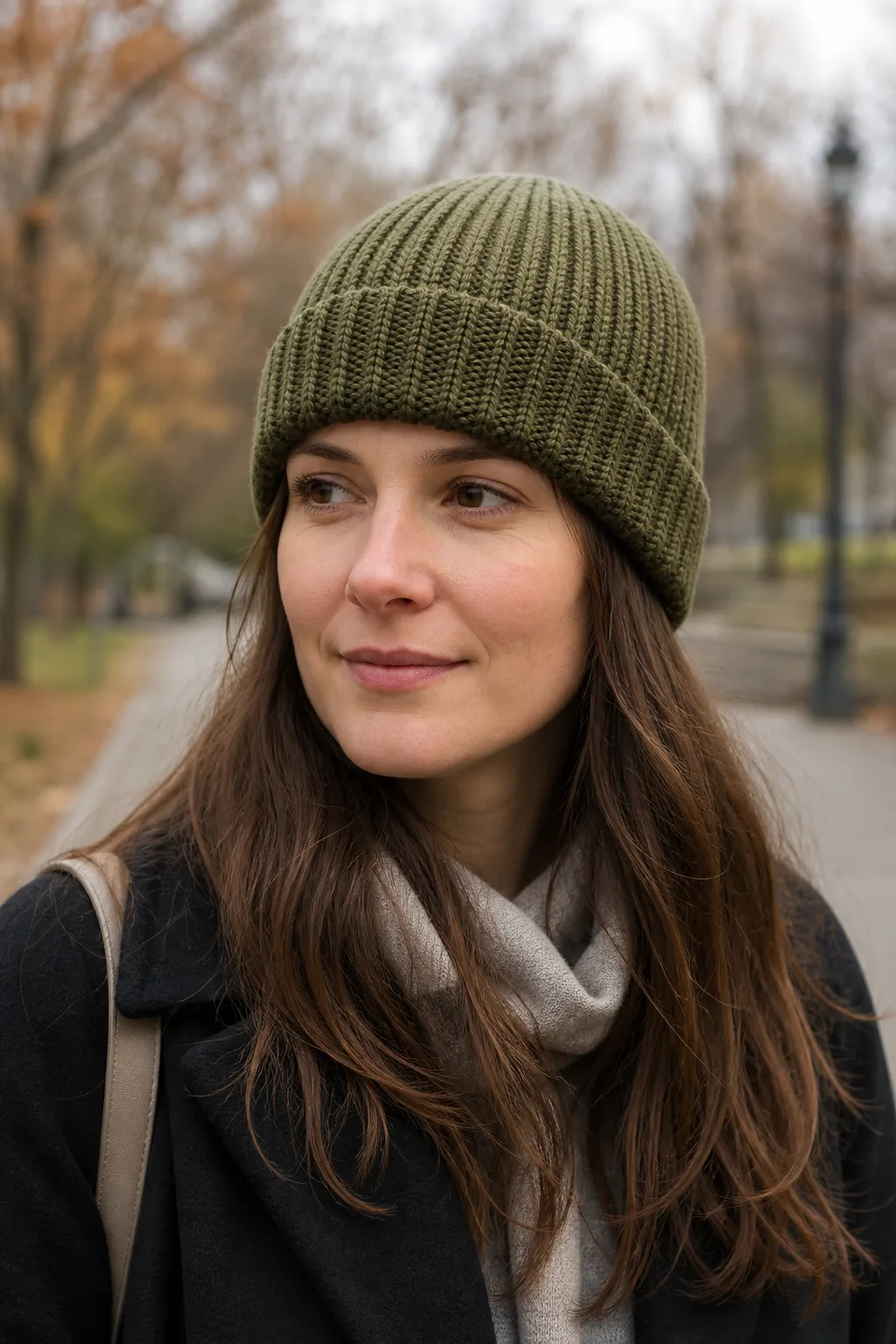
Men’s Wear-Line Beanie
The Men’s Crochet Beanie Pattern treats the front, side and back wear lines as part of fit. It is the better route when the wearer cares about eyebrow clearance, exact ear coverage or a low-profile crown more than decorative texture.
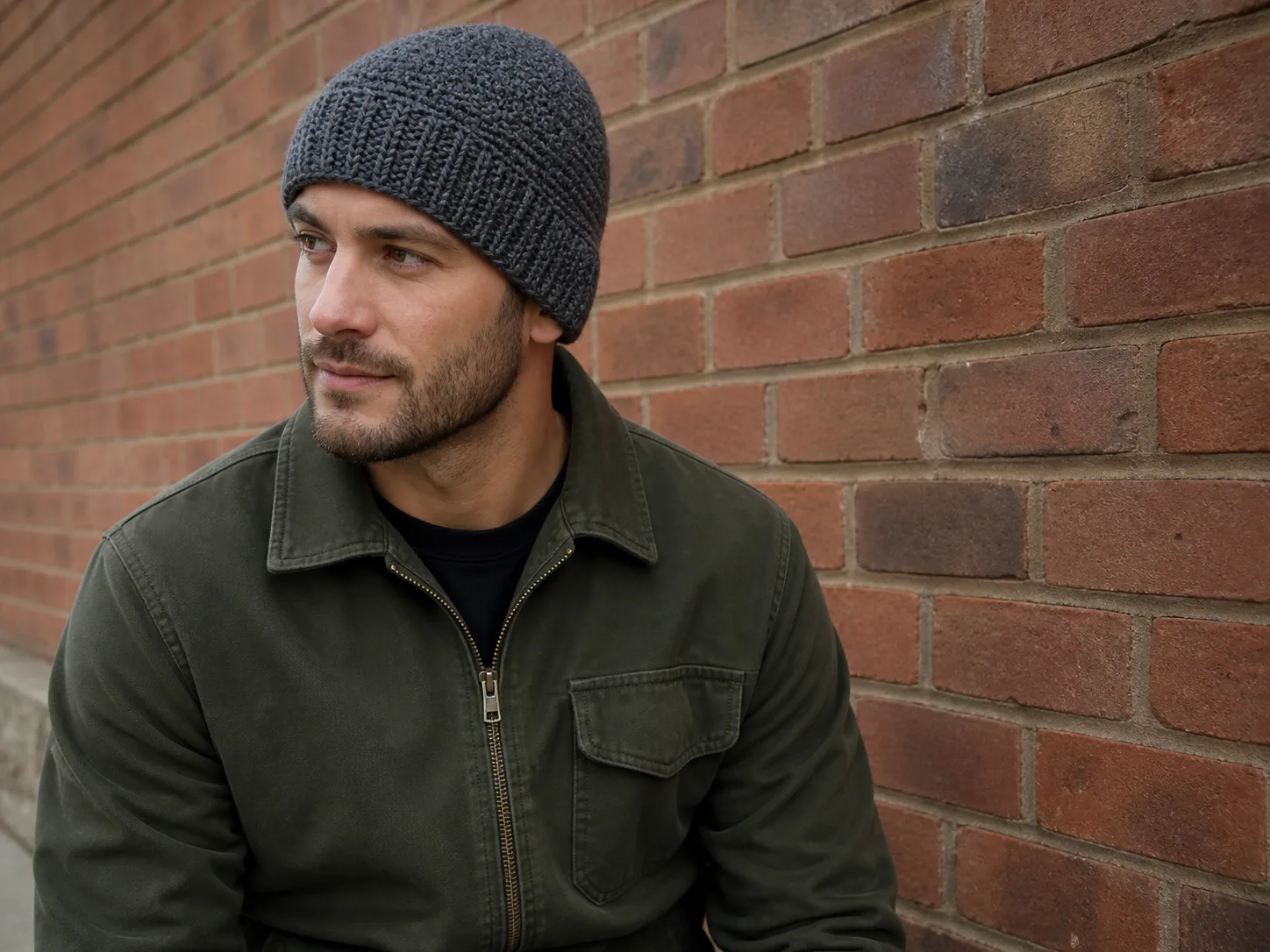
Dense Single-Crochet Beanie
Choose the Single Crochet Beanie Pattern when low openness matters more than speed. Because single crochet builds depth slowly, row gauge is especially important. A correct circumference does not prove the hat will reach the planned wear line without too many or too few rounds.
Chunky Smooth-Crown Beanie
The Chunky Crochet Beanie Pattern is selected for speed only after the swatch passes the comfort and bend tests. Large stitches make every crown error more visible, so usable counts and decrease spacing matter more, not less.
Winter Warmth-and-Coverage Hat
The Crochet Winter Hat Pattern is the right route when function outranks speed. Its checks distinguish insulation, wind resistance and coverage, so you can improve the weakest part rather than adding thickness everywhere.
Family-Size Patterns
Age labels can organize patterns, but they cannot guarantee fit. Newborns, babies and children vary, and a growing child also needs a different decision from an adult who wants a stable close fit. Measure whenever possible; when a direct measurement is unavailable, treat a chart as a starting range and plan a try-on or acceptance gate.
Baby Fit-Window Hat
The Crochet Baby Hat Pattern helps you distinguish a workable range from a false promise of precision. Check opening stretch, relaxed recovery and depth as separate conditions.
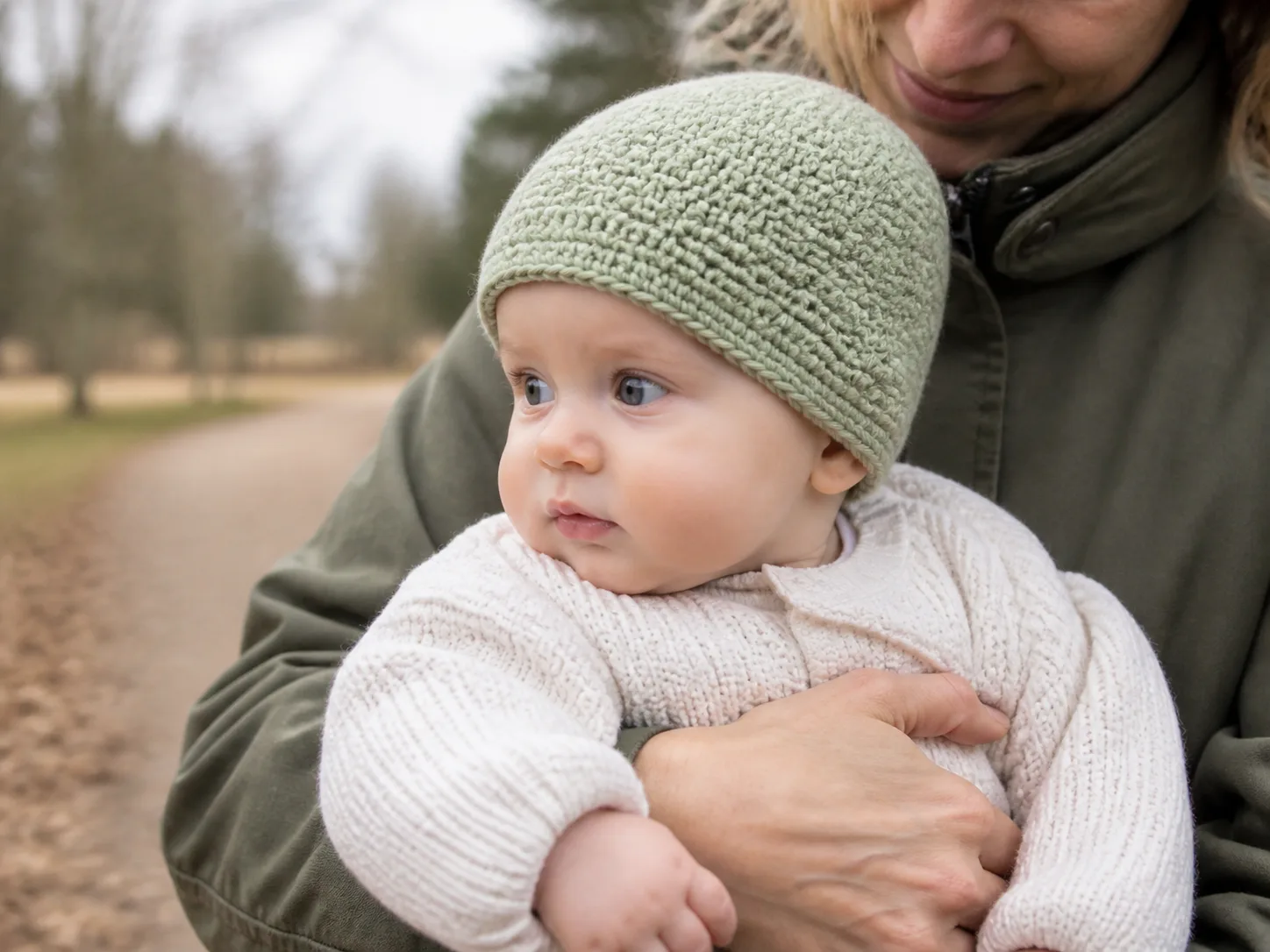
Newborn Low-Bulk Hat
Choose the Newborn Crochet Hat Pattern when low bulk is the non-negotiable requirement. The process checks not just circumference and depth, but also whether the crown closure and finishing create a hard internal area.
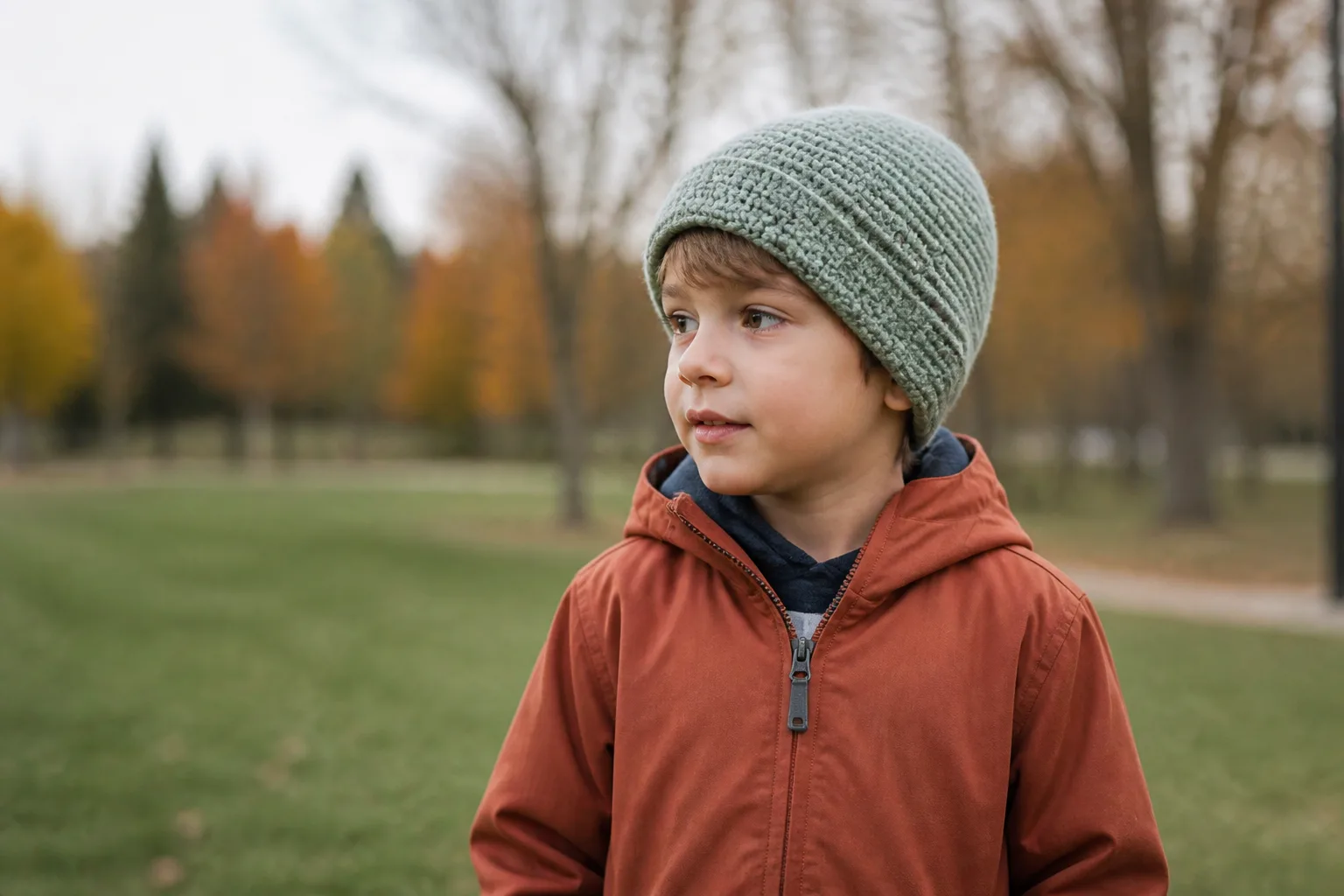
Toddler and Child Growth-Window Hat
The Toddler and Child Crochet Hat Pattern separates “room to grow” from “currently too large.” The lower edge must pass a present-day security test even if the crown and depth include a controlled allowance.
Shape and Function Patterns
The next seven patterns change the hat’s job or silhouette. Their shaping cannot be safely added as an afterthought to any beanie. A brim changes leverage, earflaps need landmarks, a hair opening changes the back structure, and a slouch needs both added depth and a stable opening.
Slouchy Beanie
Use the Crochet Slouchy Beanie Pattern when the profile is the main design goal. It distinguishes drop, drape and taper, so the hat can look relaxed without collapsing at the opening.
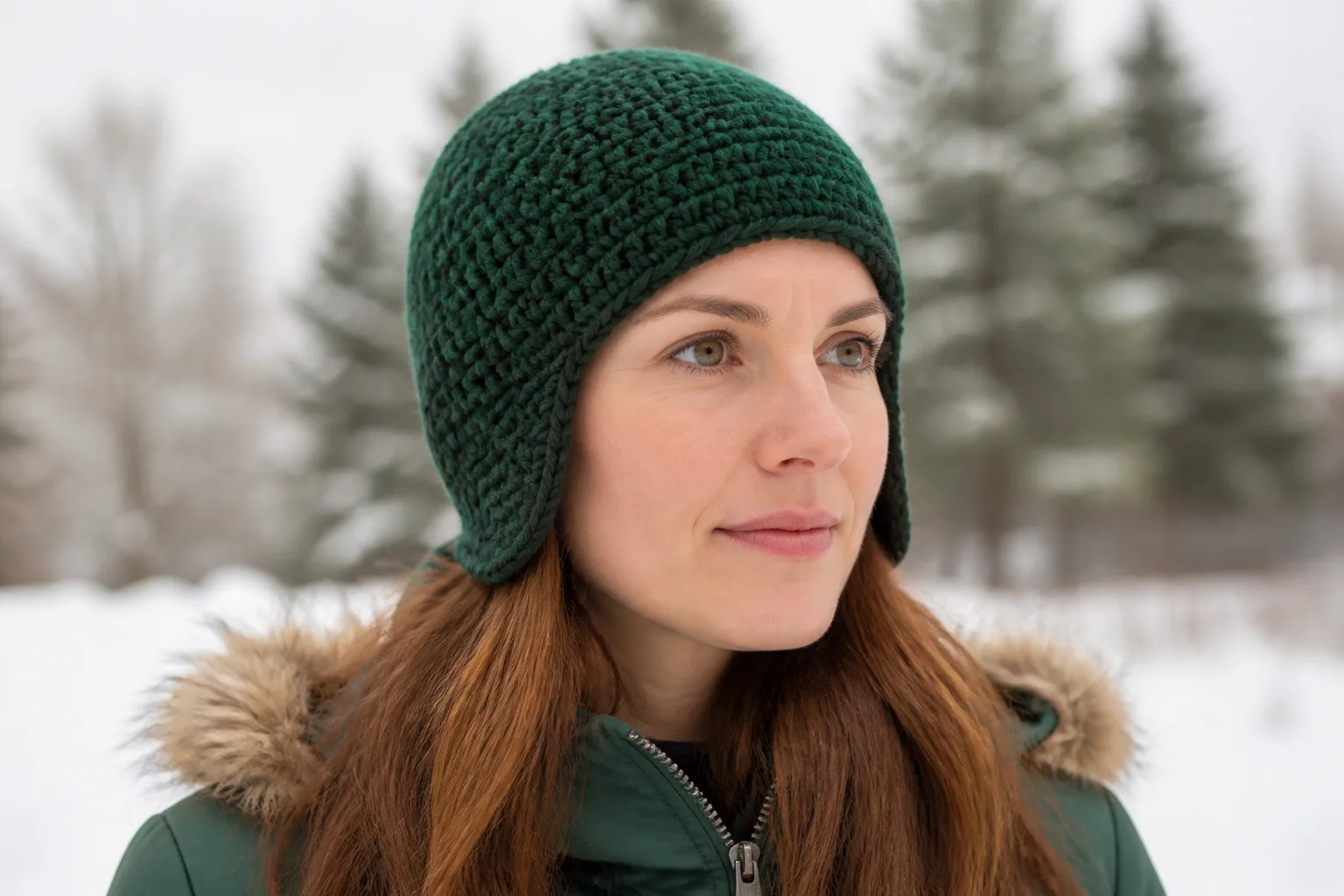
Earflap Hat
The Crochet Earflap Hat Pattern uses front, ear and back landmarks before counting attachment stitches. This route is more reliable than placing identical flaps relative to the round start.
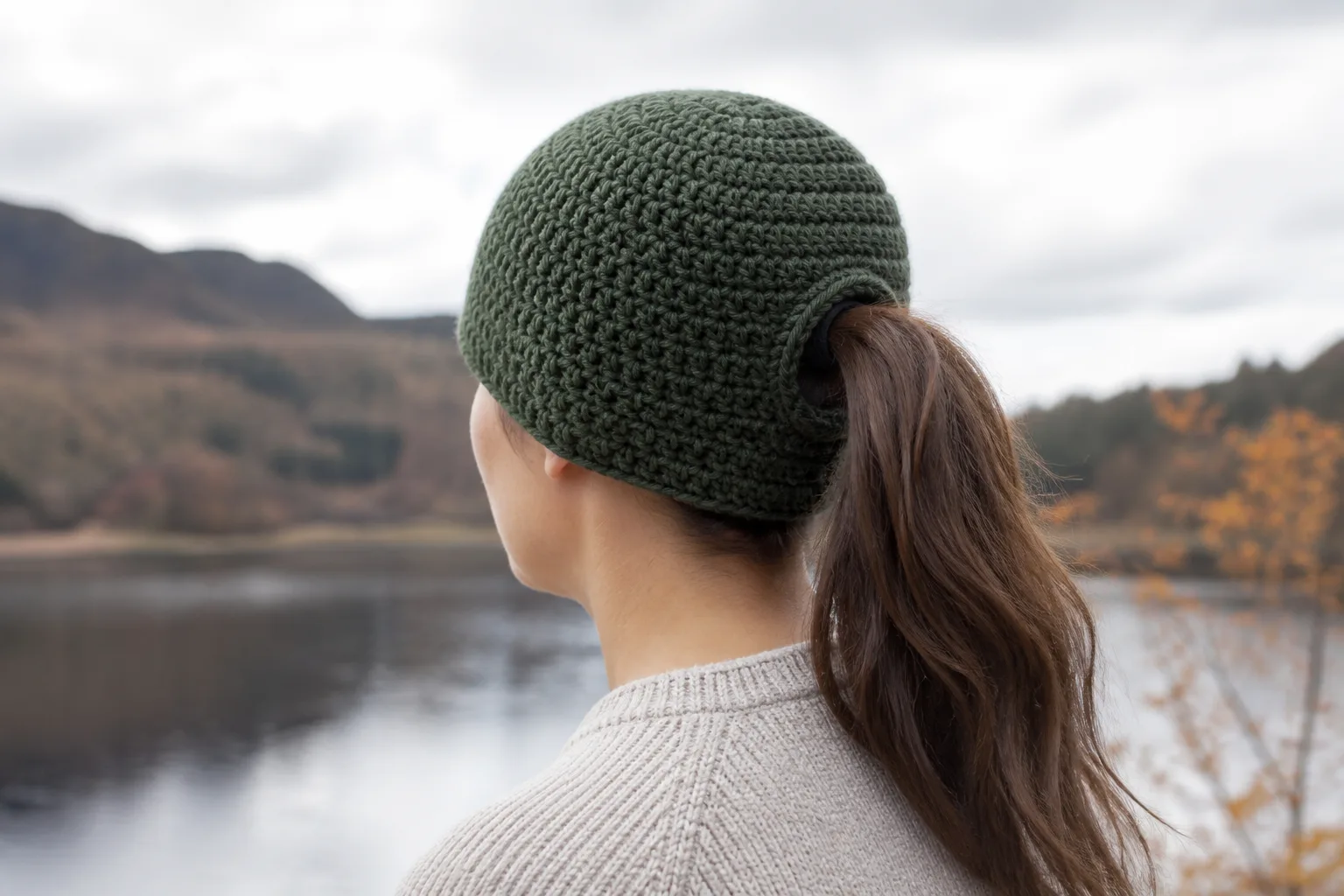
Ponytail or Messy-Bun Hat
The Crochet Ponytail Hat Pattern begins with the hair-exit landmark, opening size and required stretch. It is more dependable than converting a finished beanie by cutting or forcing an opening later.
Bucket Hat
Choose the Crochet Bucket Hat Pattern when the downward brim is the defining feature. It teaches the three zones separately and uses measured ranges rather than promising one stitch count for every head and yarn.
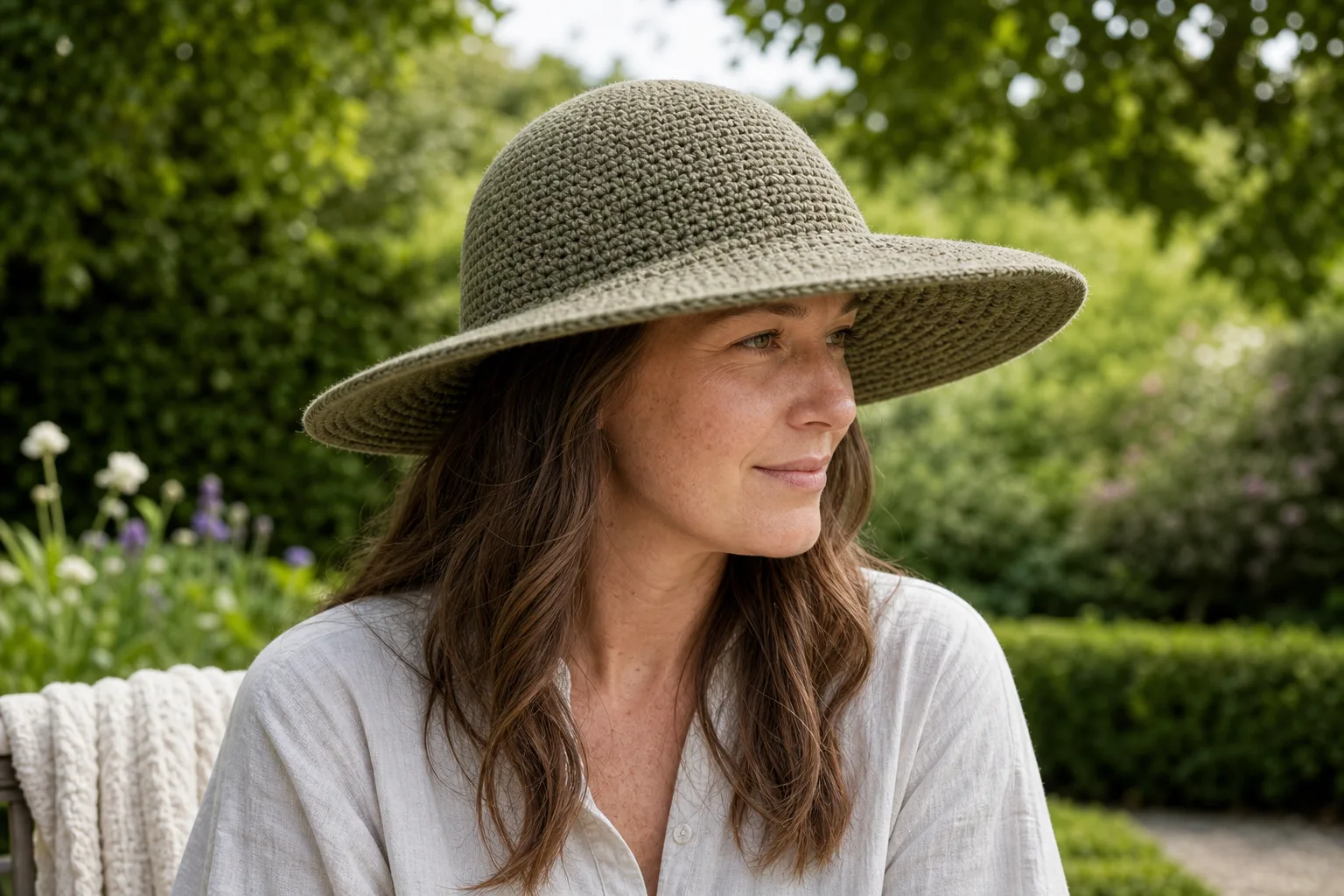
Sun Hat
The Crochet Sun Hat Pattern treats shade radius, brim angle, fabric density and reinforcement as connected decisions. A large brim is useful only if it preserves vision, comfort and shape.
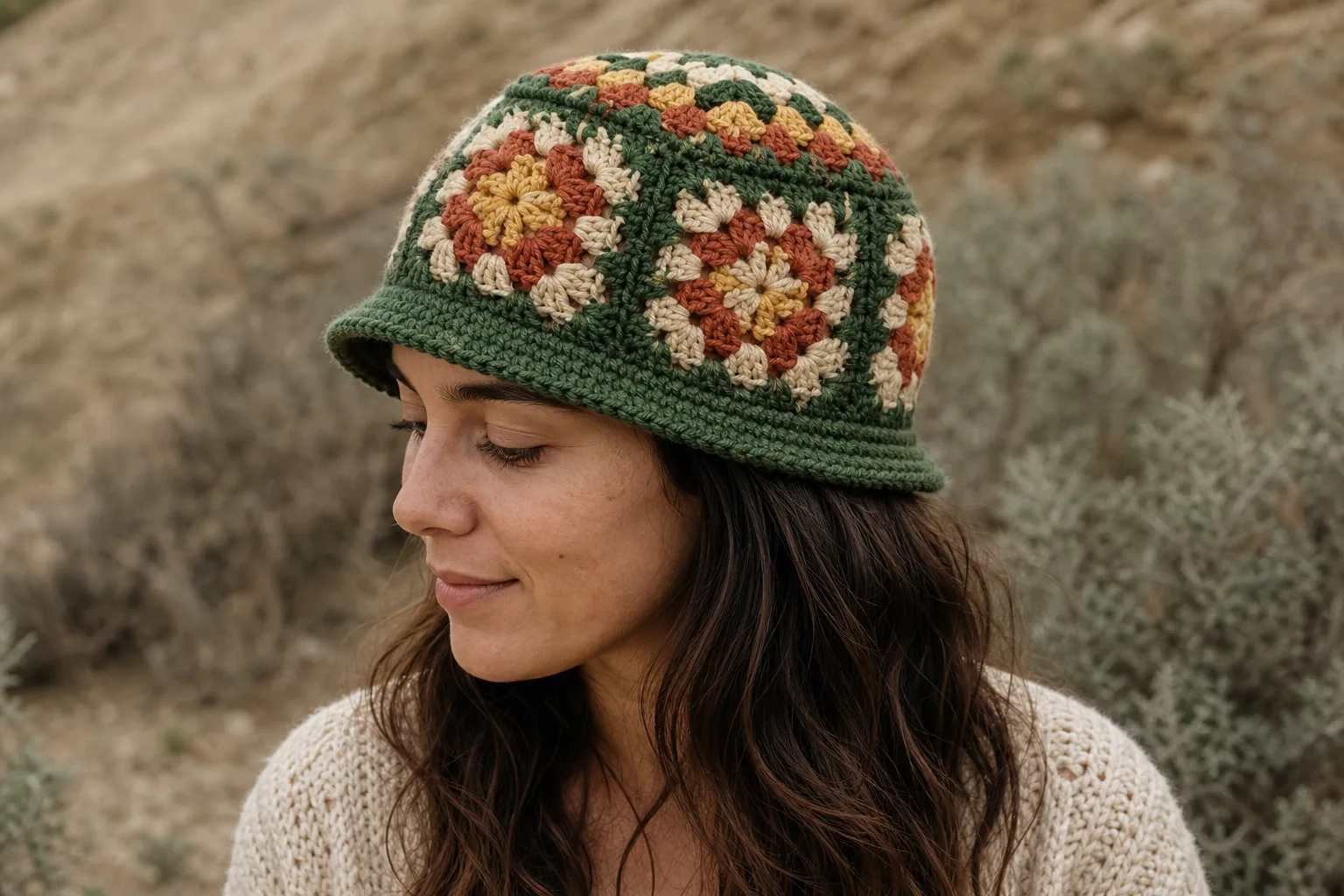
Granny-Square Hat
The Crochet Granny Square Hat Pattern calculates the panel arrangement from actual motif size. Use it when color placement and modular construction are central—not merely as decoration added to a beanie formula.
Newsboy Cap
The Crochet Newsboy Hat Pattern calculates body fullness, band reduction, visor attachment arc and taper separately. Select it when the structured front peak is the defining feature and you can perform an on-wearer center check.
Four Guides That Prevent a Pattern-Selection Mistake
These four pages are support guides, not additional hat patterns. Use the one tied to the uncertainty you still have after selecting a style.
Size Chart and Automatic Stitch Calculator
Use the Crochet Hat Size Chart and Calculator when you need to convert actual head circumference, planned ease and washed gauge into a usable circumference or stitch target. It accepts personal inputs and calculates the result; it is not a blank worksheet.
Diagram Round Decoder
Use the Crochet Beanie Diagram Round Decoder when a circular symbol chart is blocking progress. It turns one round into five actions: locate, translate, work, verify and mark. It also distinguishes joined rounds from continuous rounds using real project landmarks.
Yarn Choice and Yardage Planner
Use the Best Yarn and Yardage Guide for Crochet Hats when fiber, weight, density, recovery or quantity is uncertain. Yardage is estimated from a personal swatch and project area rather than from a universal skein count.
Brim Transition Planner
Use the Crochet Hat Brim Transition Guide when a bucket, sun or visor style changes from a crown or side wall into a brim. It helps diagnose flat, angled and wavy behavior before you add more rounds or reinforcement.
Three More Specialty Hat Patterns
The sixteen routes above remain the pattern finder’s core choices. These three additional links are for readers who already know they want a specific textured, shaped or character-hat result.
Fisherman Beanie
Choose the Fisherman Beanie Crochet Pattern when you want a compact, textured beanie with a deliberate folded-edge look. Check the finished fabric’s stretch and depth before committing to the cuff.
Cloche Hat
Choose the Crochet Cloche Hat Pattern when you want a close-fitting, shaped silhouette rather than a standard beanie. Measure the wear line and test how the brim sits before finishing.
Cat-Ear Beanie
Choose the Cat Ear Beanie Crochet Pattern when the character silhouette is the main goal. Work the fitted tube, close the top straight across, and adjust the two corner shapes with temporary Ear Locks. Check the opening and height before permanent finishing.
14 More Published Crochet Hat Patterns
These patterns extend the 16 fit-first choices and three specialty links above. Pick by the finished shape you want, then open the full pattern for its actual measurements, materials, and instructions. They are separate designs; the 16-choice finder and comparison table do not include them.
Character and Seasonal Hats
- Crochet Frog Hat Pattern
- Crochet Bear Hat Pattern
- Crochet Bunny Hat Pattern
- Crochet Pumpkin Hat Pattern
- Crochet Mushroom Hat Pattern
- Crochet Santa Hat Pattern
- Crochet Witch Hat Pattern
Silhouette and Coverage
- Adult Crochet Bonnet Pattern
- Crochet Balaclava Pattern
- Crochet Beret Pattern
- Crochet Ruffle Hat Pattern
Stitch Texture
Compare All 16 Patterns Before You Commit Yarn
| Pattern | Primary wearer or job | Construction | Fabric priority | Main decision risk |
|---|---|---|---|---|
| Basic beanie | Adult everyday | Top-down rounds | Balanced recovery | Copying an example count |
| Ribbed beanie | Adult, row-based beginner | Flat rows and seam | Stretch and recovery | Wrong row count or bulky crown |
| Men’s beanie | Adult trim wear line | Measurement-led rounds | Clean resilience | Generic depth label |
| Single crochet | Dense everyday warmth | Top-down rounds | Compact, flexible density | Stiff fabric or wrong depth |
| Chunky beanie | Fast thick-yarn project | Sector-shaped crown | Substantial flexibility | Visible crown points |
| Winter hat | Cold and windy use | Coverage-first beanie | Density plus recovery | Thickness without coverage |
| Baby hat | Baby comfort window | Measured crown/body | Soft recovery | Age-only sizing |
| Newborn hat | Newborn low bulk | Compact measured hat | Smooth, lightweight fabric | Adult details scaled down |
| Child hat | Present fit plus growth | Acceptance-window hat | Durable recovery | Growth allowance too large |
| Slouchy beanie | Relaxed back profile | Added depth and taper | Drape plus secure edge | Accidental oversizing |
| Earflap hat | Ear and cheek coverage | Landmark-placed flaps | Comfortable warmth | Using the seam as center |
| Ponytail hat | Measured hair exit | Integrated opening | Stable opening edge | Generic opening height |
| Bucket hat | Downward casual brim | Crown, side, brim zones | Shape-holding comfort | Wrong brim increase rate |
| Sun hat | Broad shade brim | Fitted body and wide brim | Breathable structure | Droop, waves or eye blockage |
| Granny-square hat | Modular colorwork | Joined motifs | Consistent blocked panels | Joining before measuring |
| Newsboy cap | Rounded cap and visor | Fuller body, band, peak | Resilient body, dense visor | Miscentered or oversized visor |
Make the Final Choice With Three Acceptance Gates
Do not begin the full hat merely because one recommendation looks right. Pass these three gates first.
If a gate fails, change the pattern choice or fabric before changing random stitch counts. A different pattern is often the correct fix when the construction itself conflicts with the user’s need.
Frequently Asked Questions
What is the easiest crochet hat pattern for beginners?
For beginners comfortable with rounds, the basic gauge-adaptive beanie is the clearest starting point. For beginners who prefer straight rows, the ribbed rectangle beanie may be easier. “Easy” depends on the construction you can count consistently, so choose between rounds and rows before choosing by appearance.
How much yarn do I need to crochet a hat?
There is no dependable universal skein count. Head size, hat depth, stitch, yarn thickness, density, brim and swatch mass all affect yardage. Estimate from the planned dimensions and a washed sample, then keep a reserve for swatching, finishing and adjustments. The yarn-and-yardage planner performs this calculation from project inputs.
What is the best yarn for crochet hats?
The best yarn is the one whose washed fabric performs the hat’s job. A baby hat prioritizes softness and low bulk; a winter hat needs suitable density and coverage; a sun brim needs breathability plus structure; a ribbed opening needs recovery. Compare the swatch, not only the fiber name or yarn-weight number.
Can I crochet a hat without a pattern?
Yes, if you can convert actual measurement and washed gauge into usable counts, control crown shape, set the intended depth and finish the edge. A well-designed pattern is still valuable because it records the decision order and exposes the points where a seemingly correct count can produce the wrong shape.
Should I choose a top-down hat, a flat rectangle or motifs?
Choose top-down construction when you want crown shaping and circumference control in rounds. Choose a flat rectangle when straight rows and visible ribbing feel easier. Choose motifs when modular colorwork is the design goal and you are willing to measure blocked panels and seams before joining.
How do I know which hat size to make?
Measure the actual head at the intended wear line, decide the ease from the washed fabric’s recovery, then calculate a target circumference and usable stitch count. Age and category charts are useful starting ranges when direct measurement is impossible, but they do not override a wearer check.
References